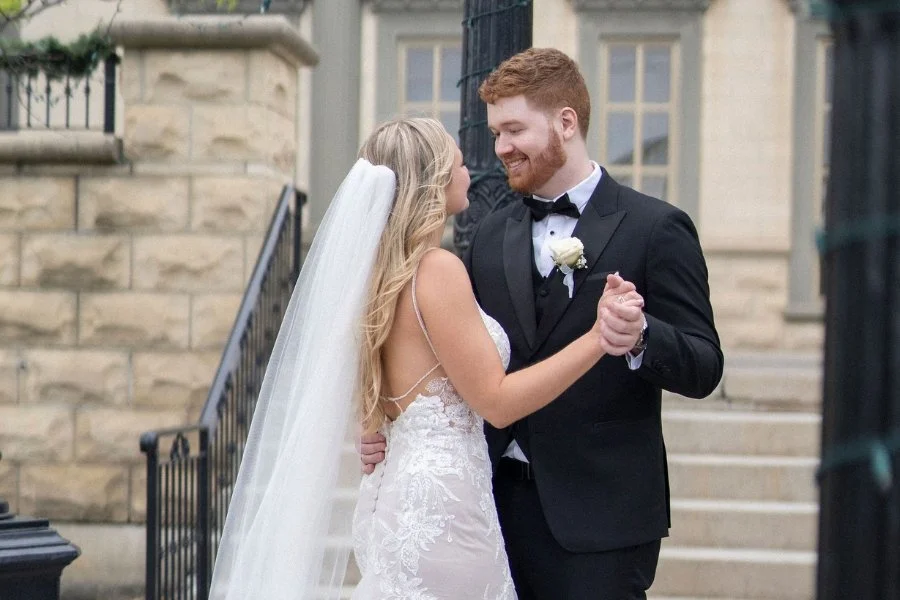
Wedding Venue Guide: How to Choose the Right Location for Your Wedding
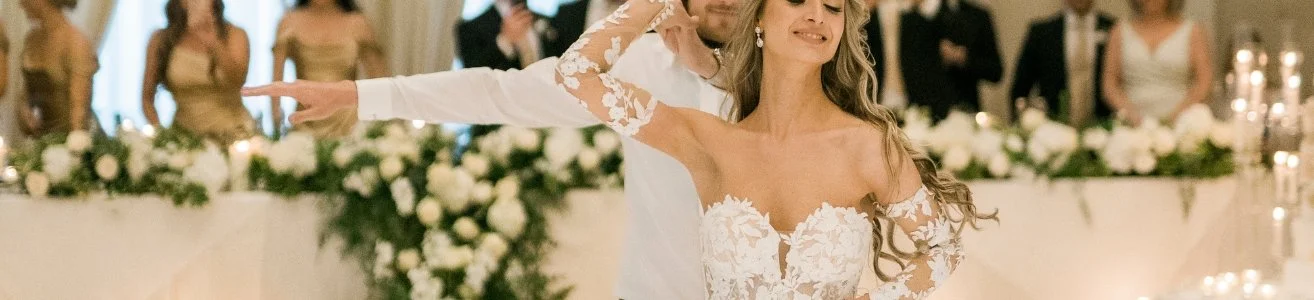
The venue shapes the entire wedding
A wedding venue is the setting where your ceremony, reception, or both take place, but its influence reaches much further than the room itself. The venue shapes how guests move through the day, how comfortably each moment settles, and how naturally the event flows from one stage to the next. In most weddings, the venue becomes the physical and operational foundation that every other planning decision has to fit around.
For couples planning in Vaughan and the GTA, venue selection often marks the shift from general ideas to a structured plan. Once the setting is chosen, the guest count becomes clearer, the date range narrows, and vendor decisions begin to align naturally. A strong venue does not simply look impressive — it supports the pace of the day and reduces friction from one stage of the celebration to the next. When that structure is missing, even a visually beautiful setting can feel harder to navigate.
Key takeaways about choosing a wedding venue
A wedding venue ultimately defines how the entire event is structured
Venue choice affects guest experience, flow, and coordination
Booking typically happens 12–18 months in advance
Visiting three to five venues provides a clear comparison
All-inclusive venues reduce complexity
Layout and function matter more than appearance alone
What a wedding venue is and why it defines the entire wedding
A wedding venue is the physical location where a ceremony, reception, or both take place, but its role extends beyond providing space. It determines how the event is experienced in real time, influencing movement, timing, atmosphere, and coordination.
A well-selected venue aligns four key elements:
The couple’s vision and style
The number of guests and their comfort
The operational flow of the event
The level of service and coordination required
When these elements align, the event feels cohesive and well-paced. When they do not, the gaps tend to show up later—usually in timing, coordination, or how guests move through the space.
Who this applies to and when this matters most
Venue selection carries the most weight in the early planning stage, particularly before most other suppliers are booked. Florists, photographers, musicians, and planners all operate within the framework the venue creates.
This decision is especially important for:
Couples planning a large guest list
Couples aiming for a formal or luxury setting
Families organizing multicultural or multi-part celebrations
Couples working within a shorter planning timeline
It becomes critical when defining budget structure, selecting a wedding date, and establishing the overall direction of the event.
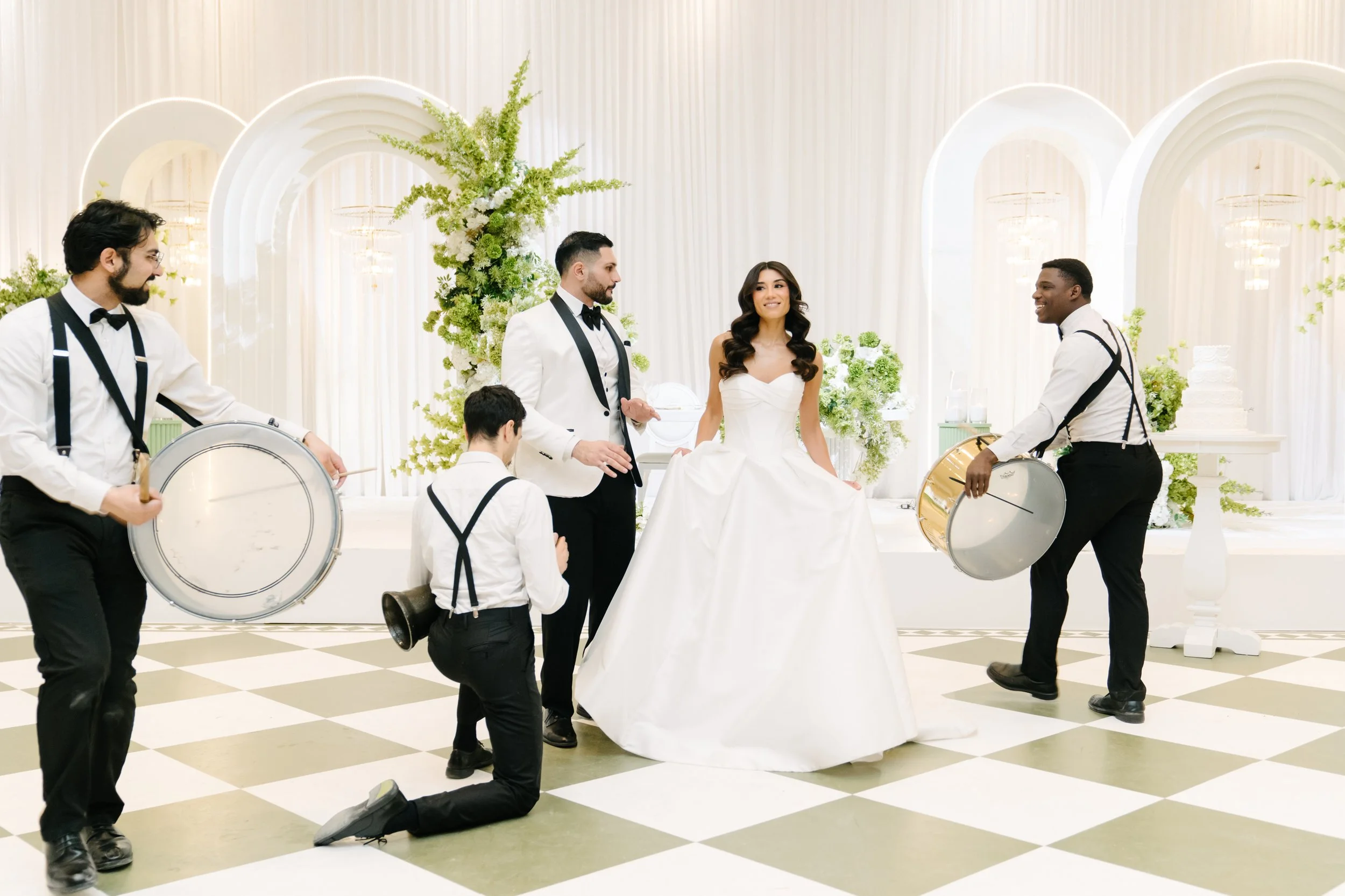
Types of wedding venues and how they differ
Not every venue serves the same purpose. Each category shapes both the planning process and the final experience. Venue category shapes more than style. It changes how much coordination sits behind the event and how smoothly the day tends to unfold once guests arrive.
Reviewing how real weddings are set up in a space often gives a clearer sense of how the layout and atmosphere come together in practice.
-
Designed specifically for weddings and large events, these venues tend to feel more predictable on the day itself, with layouts and service already structured to support the flow of the event. They support larger guest counts while maintaining consistent flow throughout the event.
-
Estates, vineyards, and outdoor settings rely on natural scenery to create atmosphere. While visually appealing, they introduce more moving parts—especially when weather, rentals, and setup need to be coordinated together.
-
Hotels combine event space with accommodation, making them suitable for weddings with out-of-town guests or multi-day celebrations. Convenience is a major advantage, though layout and privacy should still be evaluated. For guests arriving from out of town, that level of convenience can make the overall experience feel more settled from the beginning.
-
Lofts, galleries, and industrial spaces offer strong visual identity and design flexibility. They often require external vendors, increasing coordination complexity.
How a wedding venue shapes the entire event
A wedding venue affects far more than appearance. It determines how the event functions in real time, from movement between spaces to how smoothly each stage unfolds.
Event flow and transitions
A wedding progresses through ceremony, cocktail hour, reception, and entertainment. When spaces are connected well, transitions feel natural and uninterrupted. Guests move comfortably, and the event maintains momentum. When layouts are disconnected, delays and confusion can interrupt the experience.
A space can fit the guest count but still feel strained once fully set. That difference becomes noticeable very quickly.
Guest experience
Guests interact with the venue continuously. Sightlines, table spacing, acoustics, and lighting all influence comfort and engagement. Most guests remember how the event felt rather than focusing on individual design details.
Guests may not name these details directly, though comfort, visibility, and atmosphere are often felt the moment the room begins to fill.
Vendor coordination
The venue structure affects how easily vendors work together. Centralized services simplify communication, while multiple external vendors increase coordination complexity. Venue policies also influence what is possible.
Coordination usually becomes more delicate once several teams are working against the same schedule, even when the setup appears straightforward at first glance.
Timeline execution
A venue with integrated staff and coordination helps maintain consistent timing. When coordination is handled externally, more oversight is required to keep the event on schedule. Even small delays tend to carry forward into later parts of the event.
Many couples find that a well-structured wedding day timeline makes a noticeable difference in how smoothly each stage unfolds.
Many couples find that a well-structured wedding day timeline makes a noticeable difference in how smoothly each stage unfolds.
What couples should assess before they book
A venue should be evaluated based on function as well as appearance. A useful way to approach this is to ask how the space will actually function once the wedding is underway.
Many of these limitations only become obvious once the room is fully set, which leaves far less room to correct them.
How much a wedding venue costs and what affects pricing
Structure rather than a fixed range shapes wedding venue pricing.
Key factors include:
Day of the week and season
Guest count and catering scale
Included services such as coordination and décor
Event duration
Level of customization
In the Greater Toronto Area, full-service wedding venues are often evaluated on a per-guest basis, with typical rates ranging from $140 to $250+ per guest, depending on menu selection, service level, and overall event requirements.
Rather than focusing on a single price point, a more accurate comparison considers cost per guest, what is included, and the overall planning complexity.
Cost differences tend to become clearer once the full planning picture is compared rather than the venue fee alone.
A broader approach to wedding budget planning can help you assess venue and catering proposals alongside the other expenses involved in your celebration.
How far in advance to book a wedding venue
Most couples book a venue 12 to 18 months before the wedding. High-demand dates and premium venues often require earlier booking, while shorter timelines require flexibility. Availability can shift quickly once dates begin to fill, particularly in high-demand areas such as Vaughan and across the GTA.
Early booking typically improves date availability, simplifies vendor coordination, and reduces scheduling pressure.
When to book a wedding venue
A venue should be booked once three core elements are defined:
The guest count is reasonably estimated
Budget range is established
Style direction is clear
Booking before these elements are defined can lead to selecting a space that no longer fits as plans evolve. Waiting too long reduces availability and limits flexibility in both date and venue selection.
What early booking allows
Securing a venue earlier in the process creates advantages across the rest of the planning timeline:
Finding the right timing
The most effective booking window sits between readiness and availability. Once the foundational decisions are in place, securing the venue establishes direction for every other part of the wedding.
For many couples, this is the stage where planning begins to take shape and decisions start to align more clearly.
How to find a wedding venue that fits your event
Finding a wedding venue is not about scrolling through options. It is a structured filtering process where each decision removes unsuitable venues and brings you closer to the right one.
-
Before reviewing any venue, establish the boundaries that will guide every decision.
These parameters determine what is realistically suitable and prevent wasted time on venues that cannot accommodate your event.
Key considerations:
Guest count range: Define both expected and maximum attendance. This affects layout feasibility, not just capacity limits.
Preferred season or date flexibility: Peak seasons reduce availability, while flexibility increases venue options.
Budget structure: Focus on how budget is allocated (venue-only vs all-inclusive), rather than a fixed total number.
Indoor vs outdoor preference: Consider weather reliability, backup plans, and overall event flow.
Clarity at this stage simplifies every step that follows.
-
Location determines how easily your event comes together for both you and your guests.
Rather than focusing only on distance, evaluate how the venue supports arrival, movement, and departure.
Key considerations:
Accessibility for the majority of guests: Travel time, major routes, and ease of navigation all affect attendance and punctuality.
Parking availability and entry flow: Large events require efficient access to avoid congestion and delays.
Proximity to accommodations: Particularly important for out-of-town guests or late-ending receptions.
A well-positioned venue reduces logistical friction before the event even begins.
-
Different venue types change how the wedding is planned and executed. The comparison should focus on functionality rather than appearance.
Evaluate:
· Full-service vs partial-service structure: Full-service venues handle catering, coordination, and setup internally. Partial-service venues require external vendors and more coordination.
· Capacity vs comfort: A venue may technically fit your guest count, but the layout determines whether the space feels balanced or crowded.
· Layout flexibility: The ability to adapt ceremony, cocktail, and reception spaces affects flow and guest experience.
Comparing venues through this lens often clarifies which type aligns with your event.
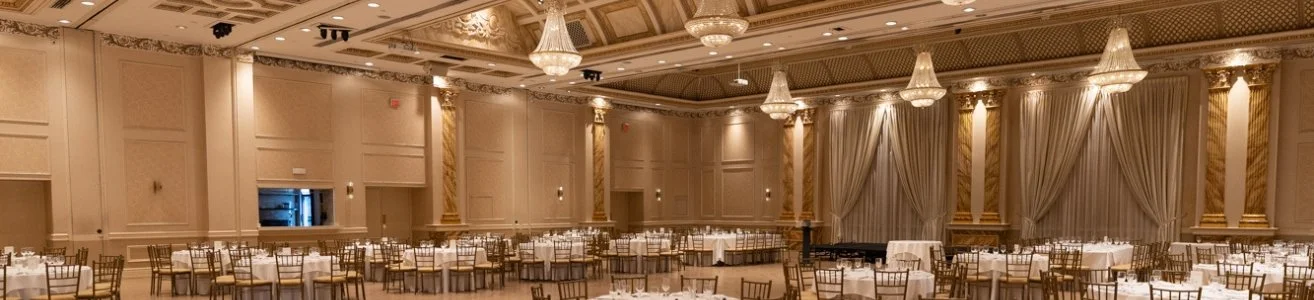
For reference, venues such as Château Le Jardin illustrate how a full-service, large-capacity venue integrates space, flow, and services within one environment.
-
Once initial filtering is complete, narrow the list to a manageable number.
Reviewing too many venues introduces overlap and makes it harder to distinguish meaningful differences. A focused shortlist allows each option to be evaluated more clearly.
At this stage, prioritize:
Alignment with your defined parameters
Consistency in service offering
Overall suitability rather than minor preferences
-
A venue tour is not just a walkthrough. It is an evaluation of how the event will operate in real conditions.
Focus on observing how the space performs rather than how it looks when empty.
Key areas to assess:
Flow between spaces: Movement from ceremony to reception should feel natural and uninterrupted.
Staff communication and coordination: Clarity, responsiveness, and experience are visible during the tour process.
Real event setup (if available): Seeing the space during an actual event or prepared layout provides a more accurate perspective.
The goal of each tour is to confirm whether the venue supports your event in practice, not just in presentation.
What questions to ask when touring a wedding venue
A venue tour should focus on how the event will operate.
Logistics and flow
- How are ceremony and reception spaces connected?
- How long do transitions take?
Capacity and layout
- What guest count works best in the space?
- Can layouts be adjusted?
Services and inclusions
- Is catering in-house?
- Is coordination included?
- Who manages setup?
Vendor policies
- Are external vendors allowed?
- Are there restrictions?
Timing and access
- When can setup begin?
- When must the event end?
All-inclusive wedding venues vs external coordination
All-inclusive venues provide catering, coordination, and execution within one structure. This reduces decision points and often improves consistency.
Partial-service venues provide space with more flexibility but require more planning responsibility.
In practice, the decision usually comes down to whether you want a more guided experience or a more hands-on planning process.
How many wedding venues should you visit
In most cases, visiting three to five venues provides enough comparison. Fewer may limit perspective, while too many can lead to decision fatigue.
Each visit should focus on function, communication, and alignment with your overall vision. After a certain point, venues tend to blur together, which can make the decision more difficult rather than easier.
What makes a wedding venue suitable for large or luxury weddings
Large or formal weddings require more than capacity.
Key elements include:
Comfortable large-scale capacity
Multiple spaces for different event stages
Strong coordination support
Architectural presence
Private suites for preparation
Large-format celebrations usually place pressure on the room very quickly when circulation, staffing, and staging have not been considered carefully. At a larger scale, room structure and guest experience are closely connected. That balance becomes especially important for large weddings across Woodbridge and the Greater Toronto Area, where guest count and room efficiency need to work together.
How Château Le Jardin fits within modern wedding venue expectations
Château Le Jardin, a luxury wedding venue in Woodbridge serving Vaughan and the Greater Toronto Area, reflects many of the qualities couples look for in a full-service wedding venue.
Its château-inspired architecture, multiple ballrooms, private lobbies, courtyards, and in-house catering create a setting that supports both atmosphere and execution. The venue’s structure allows events to flow naturally while reducing reliance on external coordination.
Couples often explore details such as layout options and wedding venues in Vaughan, as well as in-house catering services, when comparing venues.
Common scenarios couples face when choosing a wedding venue
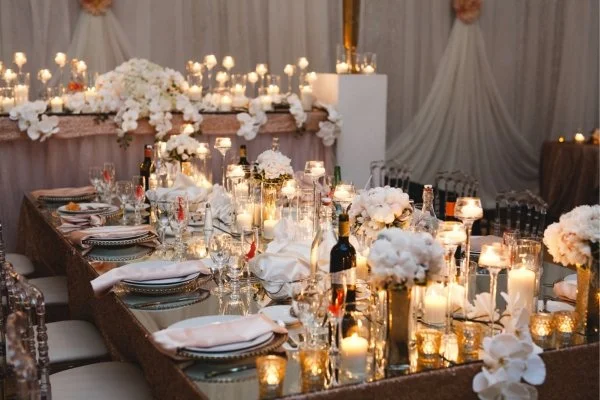
Certain planning situations tend to influence venue selection more than others. The decision often becomes clearer when viewed in context rather than in isolation.
-
A higher guest count immediately narrows the range of suitable venues. Capacity alone is not the limiting factor—comfort, circulation, and visibility all begin to matter once the room is in use.
Approach
Focus on venues designed to handle larger events, and assess how the space functions at your expected guest count rather than relying on stated maximum capacity.At Château Le Jardin
Events with larger guest counts are typically supported through multiple ballroom configurations and dedicated circulation spaces, allowing the room to remain comfortable even at scale. -
A detailed aesthetic direction can place pressure on the overall budget, particularly when the venue itself requires extensive transformation.
Approach
Venues with architectural presence or built-in character tend to reduce the need for additional décor, allowing the design vision to remain intact without extending beyond budget limits.At Château Le Jardin
Architectural detailing and classic interior finishes often provide a visual foundation, reducing the amount of external décor required to achieve a refined atmosphere. -
Compressed timelines reduce availability and limit coordination flexibility, especially when multiple vendors need to be aligned within a shorter window.
Approach
Greater flexibility with dates, combined with venues that offer integrated services, can simplify coordination and help maintain consistency across the event.At Château Le Jardin
In-house coordination and catering teams help streamline decisions, which becomes particularly valuable when timelines are more condensed. -
Events that include multiple traditions, ceremonies, or service styles require a venue that can adapt both spatially and operationally.
Approach
Look for venues with flexible layouts, customizable menus, and prior experience accommodating diverse wedding formats.At Château Le Jardin
Flexible menu planning and adaptable room configurations support a wide range of cultural formats, allowing different elements of the celebration to be accommodated within one setting.
Risks and limitations when selecting a wedding venue
Most issues begin during selection rather than on the event day.
Booking based on photos alone
Images rarely reflect how the space functions once fully set with guests, tables, and staging.
Choosing maximum capacity over comfort
A venue may fit the guest count on paper but feel crowded once layout, circulation, and seating are in place.
Ignoring transition logistics
Distance and layout between ceremony, cocktail, and reception areas can affect timing and guest movement.
Overlooking vendor policies
Restrictions on external vendors or setup requirements can limit flexibility and increase coordination effort.
Delaying booking too long
Availability narrows quickly, especially for preferred dates, which reduces flexibility in both venue and vendor selection.
Problems in venue selection usually surface later through timing pressure, layout limitations, or avoidable coordination issues.
The role of the venue in a well-executed wedding
OA well-chosen venue often feels effortless on the day itself because the structure behind it has already been carefully considered. Couples comparing venue formats in a serious way often find that a conversation with an experienced event team brings much more clarity than another round of browsing.