Corporate Event Consultation: Planning a Professional Event That Reflects Your Brand

Corporate Events Are a Reflection of Your Brand
Corporate events often serve as more than gatherings. They represent your organization’s culture, professionalism, and attention to detail.
Whether hosting a conference, leadership seminar, company celebration, or networking event, the experience your guests encounter reflects directly on your brand. From the moment attendees arrive to the final remarks of the evening, every element contributes to how the event is perceived.
The atmosphere, organization, and guest experience should feel intentional and aligned with your company’s identity. When thoughtfully designed, a corporate event can strengthen relationships, reinforce brand values, and leave a lasting impression on clients, partners, and employees.
Planning an event that achieves this level of professionalism often begins with a clear strategy and a well-structured planning process.
Why Corporate Events Require Strategic Planning
Unlike social gatherings, corporate events typically involve multiple objectives operating at once. An event may serve as a platform for education, networking, employee recognition, or brand visibility.
Each objective influences how the event should be designed.
Guest flow, presentation layout, catering timing, and technical setup all need to work together in a coordinated way. Even small logistical decisions can influence how smoothly the event unfolds.
For organizations planning events in Vaughan and across the Greater Toronto Area, establishing a clear planning framework early in the process often helps transform a complex project into a structured and manageable experience.
Strategic planning ensures that the event environment supports both operational efficiency and a professional guest experience.
Defining the Objective of Your Corporate Event
Before selecting a venue or confirming logistics, it is helpful to clearly define the purpose of the event.
Different corporate objectives often require different environments and planning approaches.
Common objectives may include:
client appreciation events
corporate networking functions
employee recognition celebrations
leadership conferences or seminars
product launches or brand presentations
When the objective is clearly defined, planning decisions become easier. Seating arrangements, event flow, technical requirements, and catering style can all be aligned with the intended outcome of the gathering.
A well-defined objective also helps ensure that every element of the event contributes meaningfully to the overall experience.
How Corporate Events Can Reflect Your Brand Identity
A well-designed corporate event does more than bring people together. The environment, organization, and guest experience often shape how a company is perceived by clients, partners, and employees.
Every element of the event contributes to that perception. From the moment guests arrive, the setting, atmosphere, and overall experience communicate the professionalism and values of the organization hosting the event.
Several aspects of event planning help reinforce that alignment, including:
The style and atmosphere of the venue
Presentation, staging and visual design
Guest experience and event flow
Culinary presentation and hospitality
The overall tone of the event environment
Careful coordination of these elements helps create an environment that reflects professionalism, attention to detail, and a commitment to quality.

Event Design Elements That Reinforce Your Brand
Brand alignment often appears through thoughtful event design. Presentation visuals, stage backdrops, lighting themes, and digital displays can incorporate company colours and messaging, while curated guest experiences reinforce the organization’s values and culture. When these elements are integrated effectively, the event environment reflects the same professionalism and identity the company represents in its daily operations.
For example, a technology company may emphasize innovation through modern staging and digital displays, while a professional services firm may prioritize a refined and formal atmosphere that reflects trust and professionalism.
Aligning the event environment with the company’s identity helps ensure that guests experience the same values the organization represents.
Many organizations begin the planning process with a corporate venue consultation to ensure the event environment supports both operational needs and the image they wish to present.
Choosing the Right Event Format
Corporate events can take many forms, and selecting the appropriate format helps ensure the event supports both engagement and efficiency.
Some events benefit from a structured format such as theatre-style seating for presentations or classroom layouts for seminars. Others may prioritize networking and guest interaction through cocktail receptions or banquet arrangements.
Examples of common corporate event formats include:
Conferences and seminars
Corporate banquets and celebrations
Networking receptions
Trade shows and product showcases
Executive meetings and leadership gatherings
Each format requires different spatial considerations and operational planning. Understanding how these formats function within an event space helps create an environment that supports both the program and the guest experience.
Organizations that would like guidance selecting the most effective format for their event can discuss their ideas with the Château Le Jardin team during a corporate venue consultation.
Book a Corporate Event Consultation →
Once the format of the event is defined, the next step is selecting a venue that can support the structure and flow required for that format.
Venue Selection and Its Impact on Guest Experience
The venue plays a significant role in shaping the overall tone and functionality of a corporate event.
Elements such as room layout, ceiling height, lighting, and architectural design influence how guests experience the space. At the same time, practical considerations such as accessibility, registration areas, and breakout spaces affect how efficiently the event operates.
A well-designed venue provides flexibility, allowing event organizers to adapt layouts and transitions throughout the program.
For corporate events, the right venue helps create an atmosphere that feels professional, organized, and welcoming — qualities that reflect positively on the hosting organization.
If you would like to explore how different venue layouts and environments can support your event objectives, our team would be happy to provide guidance during a consultation.
How a Corporate Venue Consultation Helps You Plan a Successful Event
A corporate venue consultation provides an opportunity to review the key elements of an event before final decisions are made.
Rather than navigating planning questions independently, organizations can discuss event objectives, guest expectations, and logistical considerations with experienced venue professionals.
During a consultation, topics often include:
Event timelines and scheduling
Space configuration and guest flow
Seating layouts and presentation needs
Catering structure and service timing
Technical requirements and staging considerations
This conversation helps translate ideas into a practical event plan. It also allows organizers to visualize how their event may function within the venue environment.
Many organizations find that a consultation provides clarity early in the planning process, helping ensure that both operational details and guest experience are thoughtfully aligned.
Understanding how a venue influences guest experience, layout flexibility, and technical capabilities is often easier when explored through a structured venue consultation.

Corporate Event Consultation vs Hiring an Event Planner
Some companies consider hiring an event planner early in the process, while others begin by exploring venue options.
These roles often complement one another but serve different purposes.
An event planner typically focuses on coordinating multiple aspects of the event, including vendors, décor, timelines, and day-of logistics.
A venue consultation, on the other hand, focuses on how the event will function within a specific space. Venue teams offer insight into layout possibilities, guest flow, technical capabilities, and operational considerations that influence how the event unfolds.
For many organizations, a venue consultation provides valuable guidance before deciding how much additional planning support may be required.
Event Logistics That Shape Professional Execution
Successful corporate events rely on thoughtful coordination behind the scenes.
While guests may primarily experience the atmosphere and program, a wide range of logistical elements contribute to a smooth and professional event.
These may include:
Registration and arrival flow
Seating configuration for presentations
Transitions between program segments
Catering service timing
Stage placement and audience visibility
Breakout room coordination
When these elements are carefully aligned, the event environment feels organized and effortless for attendees.
Effective logistical planning allows presenters, guests, and organizers to focus on the purpose of the event rather than operational challenges.
For organizations planning a conference, seminar, or corporate celebration, discussing logistical considerations with an experienced venue team can help ensure every detail is thoughtfully coordinated.

Vendor and Technical Coordination
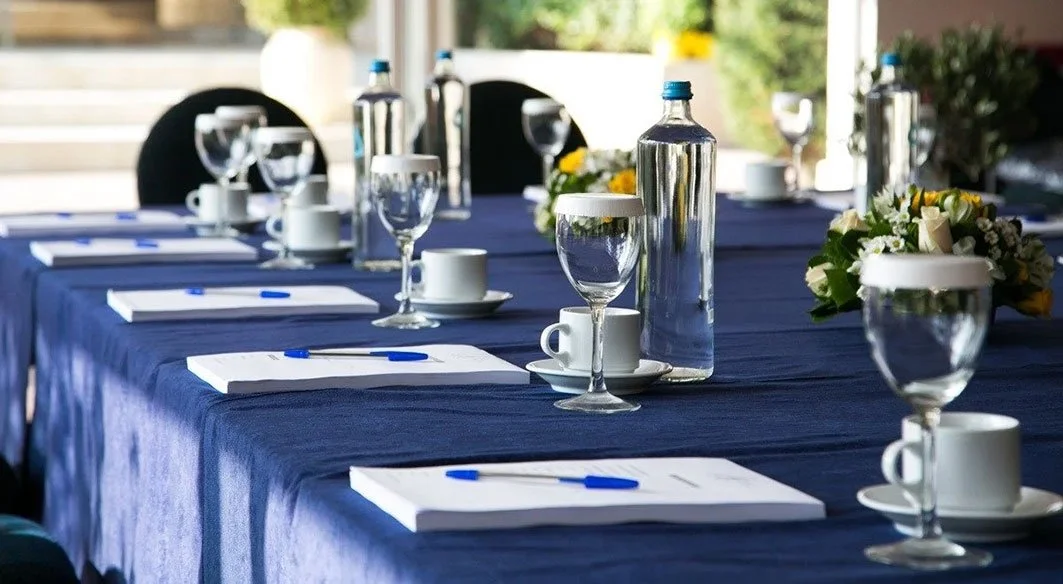
Corporate events often involve collaboration between multiple service providers, including event planners, audio-visual specialists, entertainment teams, décor professionals, transportation providers, and hospitality services.
Coordinating these elements effectively is essential to ensuring a seamless experience for both organizers and guests.
At Château Le Jardin, our team works closely with a curated network of experienced partners who are familiar with our venue layout, technical infrastructure, and event timelines. This familiarity allows vendors to integrate smoothly with our venue operations and helps ensure efficient setup, presentation support, and guest experience management.
Companies planning corporate events can benefit from working with trusted professionals who already understand the space and coordination process.
Coordinating these elements successfully often depends on the experience of the venue team managing the event environment.
Venue Experience and Operational Expertise
Experience plays an important role in the successful execution of corporate events.
A venue team that regularly hosts conferences, seminars, and corporate celebrations develops an understanding of how events function in real-world settings. This experience often helps anticipate logistical needs, streamline coordination, and support smooth transitions throughout the program.
At Château Le Jardin, decades of hosting events across Vaughan and the Greater Toronto Area have provided valuable insight into how corporate gatherings can be organized efficiently while maintaining a refined and welcoming atmosphere.
This operational knowledge helps support both event organizers and guests, ensuring the event experience remains focused, professional, and well-coordinated.


Why Businesses Choose Château Le Jardin for Corporate Events
Organizations planning corporate events often look for a venue that balances professional infrastructure with an inviting environment.
Located in Woodbridge and serving companies across Vaughan and the Greater Toronto Area, Château Le Jardin offers adaptable event spaces designed to accommodate a wide range of corporate events.
Our venue provides:
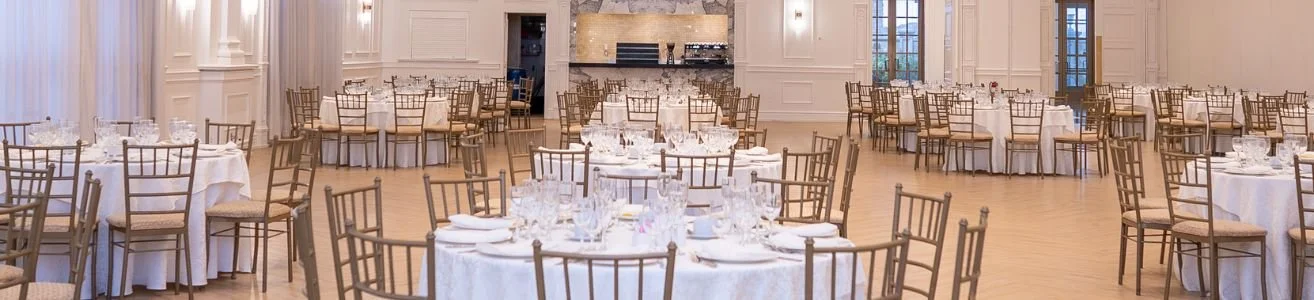
Flexible ballroom configurations for conferences and banquets
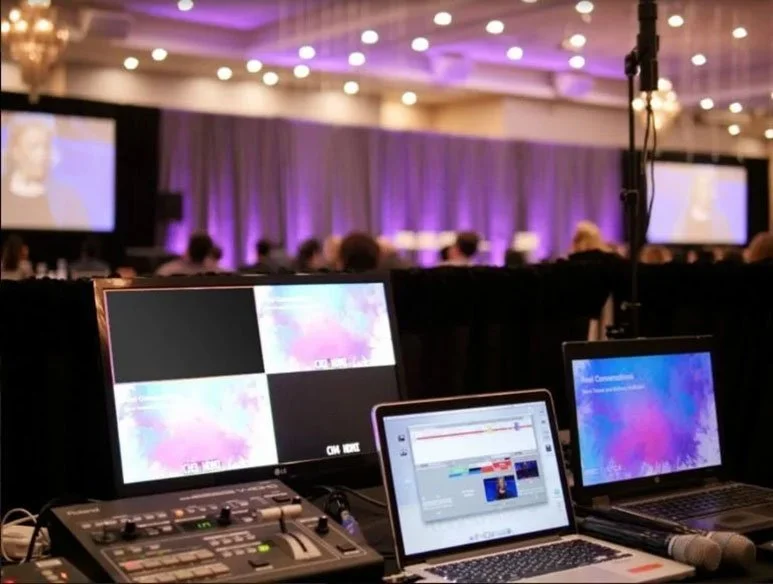
Advanced audio-visual capabilities and presentation infrastructure
Private lobbies suitable for guest registration and networking
Culinary expertise with customizable menu options
Experienced coordination support from an established venue team
Design events that feel polished, organized, and aligned with Your brand standards!
Château Le Jardin offers adaptable event spaces designed to accommodate a wide range of corporate events.
Start Planning Your Corporate Event with a Venue Consultation
Planning a corporate event involves many interconnected decisions. A venue consultation offers the opportunity to explore ideas, review logistics, and discuss how your event objectives can be supported within a professional event environment.
For organizations preparing conferences, corporate celebrations, networking events, or seminars, this conversation often provides valuable clarity before the planning process moves forward.
Companies interested in hosting their event in Vaughan or the Greater Toronto Area can begin by scheduling a corporate venue consultation with the Château Le Jardin team.
FAQ: Corporate Event Venue Consultations
-
A corporate venue consultation typically involves discussing the event’s objectives, guest count, timeline, layout requirements, and technical needs. It allows organizers to explore how the event can function within the venue space before finalizing plans.
-
Most consultations last between 45 and 60 minutes, depending on the complexity of the event and the number of logistical elements being reviewed.
-
Yes. Many corporate events involve presentations, staging, projection screens, and sound systems. These technical elements are often reviewed during the consultation to ensure proper setup and functionality.
-
Many venues maintain relationships with experienced event professionals, including planners, AV teams, entertainment providers, and décor specialists who are familiar with the venue’s layout and operations.
-
It is often helpful to schedule a consultation early in the planning process, especially when determining guest count, event format, and space requirements.