
How to Choose a Wedding Venue and When to Book It
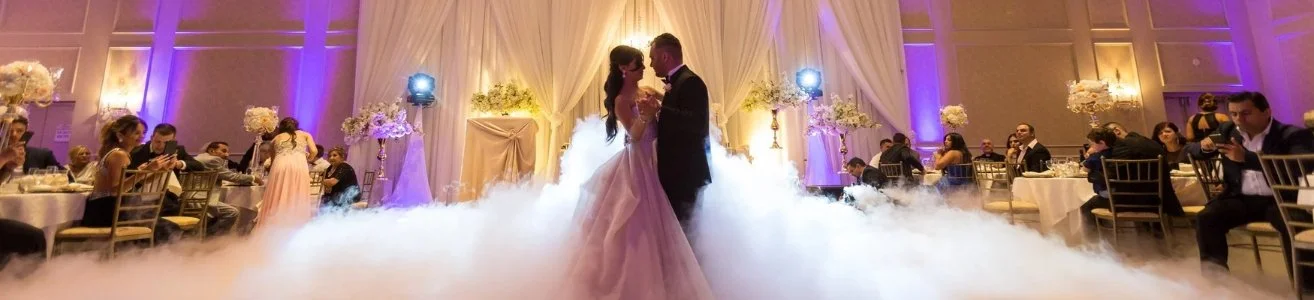
Planning a wedding begins with a series of meaningful decisions, each shaping how the celebration ultimately comes together. The setting shapes not only the visual atmosphere, but also how the day unfolds—from guest arrival to the final moments of the celebration.
Many couples find themselves balancing two key questions early in the process: how to choose a wedding venue that reflects their vision, and when to secure it to avoid unnecessary limitations. With the right guidance, both decisions become more structured and easier to navigate.
How to Choose a Wedding Venue That Fits Your Vision
Choosing a wedding venue involves more than reviewing availability or aesthetics. It is a process of aligning space, experience, and logistics with the tone of the celebration.
1 Guest Count & Capacity
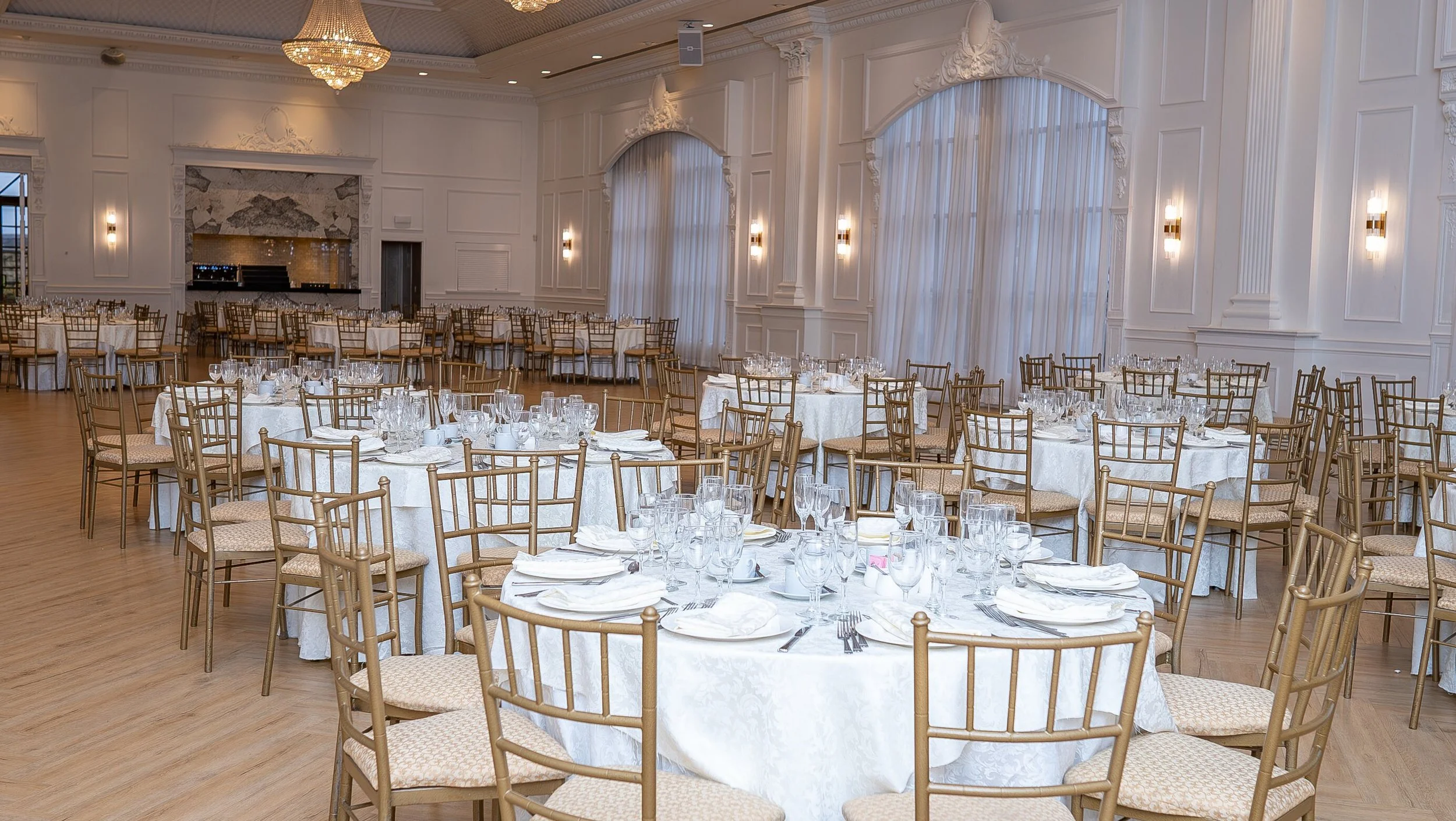
A well-matched venue begins with a clear understanding of guest count, but more importantly, how that number functions within the space. The objective is to create an environment where guests can move comfortably, engage naturally, and remain connected to the key moments throughout the event.
The relationship between guest count and spatial design plays a defining role in the overall atmosphere. When proportions are appropriate, the room maintains energy without feeling crowded or dispersed. Venues that offer flexible configurations are particularly valuable, as they allow adjustments to be made as guest numbers evolve during planning.
Rather than focusing on maximum capacity, it is more effective to assess how the venue performs at your expected attendance level. This includes observing how layout, spacing, and visibility contribute to both comfort and flow.
Key considerations include:
seating arrangements that support comfort without restricting movement
clear visibility toward focal areas such as the head table and dance floor
sufficient spacing between tables and gathering points
flexibility to adjust layout if guest numbers change
When these elements are properly aligned, the space supports a well-composed experience where scale, movement, and atmosphere work together seamlessly.
2 Layout & Event Flow
The structure of a venue plays a defining role in how a wedding progresses from one stage to the next. Beyond visual design, spatial planning determines how clearly each part of the event connects, shaping both the pace and overall experience.
A well-designed layout supports a logical sequence between ceremony, cocktail hour, and reception. Guests are guided through the environment without confusion, as proximity between spaces and clearly defined pathways create a sense of continuity throughout the event.
To understand the impact, consider two different scenarios.
In one, transitions occur naturally. Guests move from one stage to the next without direction, and the energy of the celebration carries forward without interruption.
In the other, transitions require coordination. Movement depends on announcements, pauses occur between stages, and the overall rhythm becomes segmented.
The distinction lies in how the venue supports progression. When layout is thoughtfully planned, each stage connects seamlessly, allowing the event to unfold as a unified experience.
3 Style & Atmosphere
Every venue introduces its own architectural identity, shaping how the celebration is perceived from the moment guests arrive. Selecting a space that aligns with the intended vision allows the overall design to feel cohesive rather than constructed.
Details such as ceiling height, lighting, finishes, and spatial proportions contribute to the atmosphere in subtle but meaningful ways. When these elements are already aligned with the desired tone, the setting naturally supports the aesthetic direction of the event without requiring extensive adjustments.
To better understand the difference in approach, consider how venues typically fall into two categories:
Choosing a venue with an established sense of style allows design decisions to remain focused and intentional. Instead of building the environment from the ground up, the existing character of the space becomes part of the overall experience, resulting in a more unified and polished presentation.
For couples refining their visual direction, exploring a real celebration such as this modern black and white wedding can offer useful inspiration.
4 Location & Accessibility
Location influences more than convenience; it shapes how smoothly the entire event unfolds. From arrival times to the overall pacing of the day, accessibility plays a quiet but consistent role in the guest experience.
A well-positioned venue within Vaughan or the GTA supports a more predictable and comfortable flow. Guests are able to arrive without difficulty, transitions remain on schedule, and the event maintains its intended rhythm without unnecessary delays.
In evaluating location, several factors contribute to this experience: parking availability, proximity to nearby accommodations, and ease of navigation for both local and travelling guests. Each of these elements reduces friction before and after the event, allowing attention to remain on the celebration itself.
When location is thoughtfully considered, it supports not only attendance but also a sense of ease that carries throughout the entire occasion.
Understanding location and accessibility is just one part of the decision. The layout and scale of the venue itself also play an important role in how your celebration unfolds.
Many couples wonder whether they should hire a wedding planner immediately. While planners can play an important role in event management, a venue consultation serves a different purpose.
Our Event Spaces at a Glance
The West Wing
Designed for large-scale celebrations, the West Wing offers over 12,000 square feet of refined event space with soaring ceilings, elegant architectural details, and multiple private entrances. The space can be divided into three distinct ballrooms, allowing flexibility for different event formats while maintaining a cohesive atmosphere.
Capacity: Up to 2,000 guests
More DetailsThe East Wing
The East Wing provides approximately 8,000 square feet of beautifully designed space, featuring high ceilings, private entrances, and a versatile layout that can be adapted into three separate ballrooms. Its layout supports both large gatherings and more intimate configurations.
Capacity: Up to 1,300 guests
More Details5 Services & Inclusions
What a venue includes often shapes the complexity of the planning process. Beyond the physical space, the level of service integration determines how decisions are coordinated and how smoothly the event is executed.
Venues that provide in-house support—such as catering services, coordination, and setup—create a more unified planning environment. Rather than managing multiple external timelines and communication channels, key elements are handled within a single framework, allowing decisions to remain aligned as the event develops.
When evaluating a venue, it is important to distinguish between what is included and what requires external coordination. This clarity helps set expectations early and avoids gaps later in the process.
Areas to review typically include:
catering and menu services
event coordination or planning support
setup and teardown responsibilities
vendor policies, restrictions, and requirements
A venue with well-defined and integrated services allows planning to move forward with greater consistency, supporting a more organized and cohesive event from preparation through execution.
6 Guest Experience
From a guest’s perspective, the success of a wedding is rarely defined by a single detail. It is formed through the overall impression of the event—how it feels from arrival through the final moments.
While design and logistics set the foundation, the experience itself is shaped by how comfortably guests can engage with each stage of the celebration. Elements such as spacing between tables, visibility of key moments, acoustics within the room, and the pacing of service all contribute to this impression in subtle but meaningful ways.
When these factors are thoughtfully aligned, the atmosphere feels composed rather than managed. Guests remain present, transitions feel natural, and the celebration carries a sense of continuity that is both refined and welcoming.
7 Flexibility & Customization
Every wedding reflects a distinct vision, and the ability of a venue to adapt to that vision plays an important role in shaping the final result.
Flexibility within a venue allows adjustments to layout, décor, and vendor selection without introducing limitations that disrupt the planning process. Rather than working around restrictions, couples are able to refine their ideas within a space that supports thoughtful variation.
This adaptability becomes particularly valuable as plans evolve. Design elements can be adjusted, layouts can be refined, and details can be tailored without compromising the overall structure of the event.
When a venue accommodates personalization while maintaining its architectural integrity, the outcome feels both intentional and cohesive—reflecting the couple’s style within a setting that remains polished and well-defined.
How Many Wedding Venues Should You Tour?
Visiting multiple venues helps establish perspective, but beyond a certain point, additional tours can make distinctions less clear. In most cases, exploring three to five venues provides enough range to evaluate options without introducing unnecessary complexity.
Each visit should be approached with intention. Rather than simply viewing the space, attention should be given to how the venue feels in person, how the layout supports the flow of the event, and how effectively the team communicates throughout the experience.
As the number of tours increases, details can begin to overlap, making it more difficult to assess each venue on its own merits. Limiting the process to a focused selection allows impressions to remain distinct and easier to evaluate.
A structured approach to touring supports clearer decision-making, allowing couples to move forward with a well-defined sense of direction.
How Far in Advance Should You Book a Wedding Venue?
Timing plays a significant role in availability, particularly for sought-after dates. Many couples secure their venue between twelve and eighteen months before the wedding. This timeframe allows for greater flexibility in selecting preferred dates, especially during peak seasons, while also providing a comfortable planning window for coordinating vendors and design elements.
Typical booking timeline:
12–18 months prior → standard timeframe
18–24 months prior → high-demand venues or peak dates
Under 12 months → more limited availability, requiring flexibility in date or venue selection
Understanding these timelines allows the booking decision to be made with greater clarity, aligning availability with the overall pace of the planning process.
For couples building a structured schedule, reviewing a detailed wedding day timeline can provide additional clarity during the planning process
Before committing to a venue, planning your wedding budget can help you account for catering, vendors, guest count and other costs beyond the venue itself.
-
For couples with a clear vision and preferred date, booking up to two years in advance is not uncommon. This approach is particularly beneficial for venues with high demand or for dates that carry personal significance.
Securing a venue early provides access to a wider selection of dates and establishes a strong foundation for the planning process. With the venue confirmed, other elements such as vendors and design can be coordinated with greater clarity.
When timing aligns with readiness, planning over an extended horizon allows decisions to be made thoughtfully, without the constraints of limited availability.
-
The ideal moment to secure a venue depends on a balance between readiness and availability. A general guest estimate, a defined budget range, and a clear sense of style provide a strong foundation for moving forward.
Once these elements are in place, booking becomes a considered step rather than a time-sensitive reaction.
Securing the venue at this stage establishes direction for the remaining planning decisions, allowing the process to progress in a more organized and confident manner.
Why Venue Consultation Helps You Plan Better
Early-stage planning often brings a range of decisions that are interconnected. A venue consultation provides a structured environment to explore these elements with guidance from an experienced team.
During a consultation, considerations such as layout, guest flow, timing, and overall vision are discussed within the context of the venue. This approach brings alignment to the planning process, helping couples move forward with clarity.
Rather than navigating decisions independently, consultation introduces a level of coordination that supports thoughtful and well-informed choices from the outset.
Planning Your Wedding at Chateau Le Jardin
At Chateau Le Jardin, each wedding is approached with attention to detail, refined design, and a focus on creating a memorable experience. As a trusted wedding venue in Vaughan, the venue’s elegant indoor setting and experienced coordination team support both the visual and logistical aspects of the celebration.
From initial consultation to event execution, the process is designed to feel seamless and well-guided. Couples are supported in shaping a celebration that reflects their vision while benefiting from the expertise of a dedicated team.

FAQs
-
Establishing a preliminary guest count and overall vision provides a strong foundation for evaluating suitable venues.
-
Many venues are secured between twelve and eighteen months in advance, particularly for peak dates.
-
Layout, flow, atmosphere, and how the space supports the planned sequence of events are key factors to observe.
-
Comparing a small number of venues helps create perspective, while maintaining clarity in decision-making.
-
Many venues offer integrated services, though inclusions vary and should be reviewed during consultation.
A Thoughtful Start to Wedding Planning
Selecting a wedding venue is one of the most defining steps in the planning journey. With a clear approach to both selection and timing, the process becomes more structured and aligned with the overall vision.
For couples seeking guidance at the beginning of this process, a venue consultation at Chateau Le Jardin offers a refined and supportive starting point—bringing clarity, coordination, and confidence to each decision that follows.


