Planning a Wedding Ceremony and Reception at the Same Venue
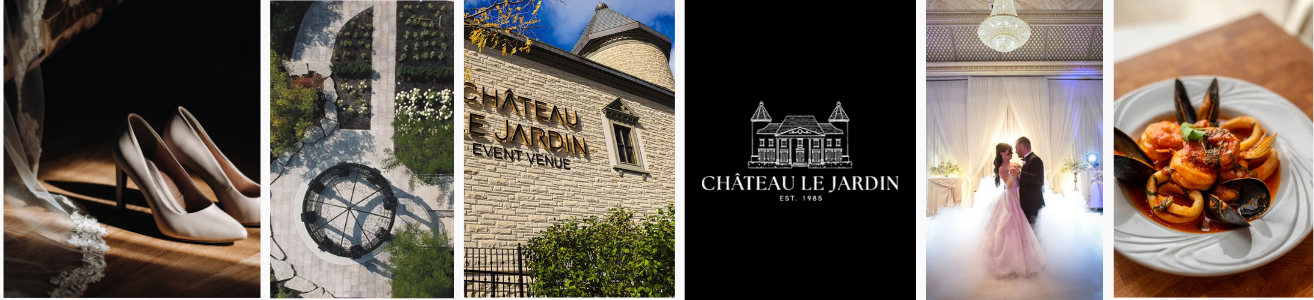
When the ceremony and reception take place at the same venue, the day can move from one part of the celebration to the next without requiring guests or vendors to travel between locations.
Planning the Ceremony and Reception in One Location
Planning a wedding ceremony and reception at the same venue can make the wedding day easier to coordinate for the couple, guests, and vendors. There is no second destination after the ceremony, and the schedule can flow naturally from arrival and vows to photographs, cocktails, dinner, and dancing.
Keeping everything in one location still requires careful planning. Couples need to think about where guests will go after the ceremony, whether the reception uses the same room or a separate space, how much setup time vendors need, and how catering fits into the schedule.
For couples considering wedding venues in Vaughan, looking at the full wedding-day flow—not only the appearance of the ballroom—can help determine whether a venue works for both parts of the celebration.

Why Hold Your Wedding Ceremony and Reception at the Same Venue?
The practical advantage of one venue is fewer moving parts. Guests arrive once, park once and remain at the property as the celebration moves from one stage to the next.
Less Travel Between the Ceremony and Reception
Separate ceremony and reception locations require guests to leave one property, navigate to another address and find parking again. Even a relatively short drive creates another point in the day where traffic, directions or late departures can affect the schedule.
A single venue removes that transfer. It can be especially useful when a guest list includes older relatives, young children or people travelling from outside the area who may not know the neighbourhood.
A More Connected Wedding-Day Schedule
Photography, cocktails, dinner and entertainment can be planned around one location rather than around travel time.
For example, the wedding party might move into photographs immediately after the ceremony while guests enter a cocktail space. During that period, staff and vendors can prepare for the reception. Dinner can then begin without waiting for guests arriving from a second venue.
Couples building their broader schedule can also use a wedding planning checklist to coordinate these wedding-day decisions with the months of planning that happen before the event.
Easier Coordination Between Venue and Vendors
One location can also reduce the number of vendor arrivals, load-ins and setup periods that need to be coordinated.
The photographer does not need to plan around a second drive. Entertainment equipment can remain at the reception site. Décor teams can work within one property, and catering can prepare around a known ceremony end time.
Responsibilities still need to be clear before the wedding day. Using one address simplifies the logistics, but the venue, couple and vendors still need to agree on timing, access and who is handling each part of the day.
How Should a Wedding Ceremony and Reception Timeline Work?
Start with the parts of the day that have fixed timing, then build the rest of the schedule around them. The ceremony start time, dinner service, venue access and major vendor requirements usually create the framework. Photography, cocktails, speeches and entertainment then need enough space around those points to happen without making guests feel rushed or leaving long gaps.
Guest Arrival and Ceremony Setup
Work backwards from the ceremony start time.
By the time guests begin arriving, major setup should already be finished. Ceremony seating should be in place, floral and décor work should be complete, and microphones or other AV equipment should already be tested.
The wedding party needs its own preparation schedule as well. Dressing, pre-ceremony photography and any private moments should be timed so they do not interfere with guest arrival or delay the ceremony.
A small buffer is worth building in. Weddings rarely move minute-for-minute exactly as planned, and a schedule should be able to absorb a slightly late arrival or an extra few minutes of photography without affecting dinner service.
The Transition After the Ceremony
The ceremony-to-reception transition often involves several things happening at the same time.
The couple and immediate family may move into photographs. Guests may be directed toward cocktails or another gathering area. Venue staff and vendors may also be preparing the reception space.
The amount of transition time should come from the actual setup plan. If the reception ballroom is already prepared, the change may be mostly about moving guests from one space to another. If the same room needs to be reset with tables, chairs, décor or entertainment equipment, the venue will need more time.
Ask the venue and major vendors how long the planned change realistically takes before finalizing the schedule.
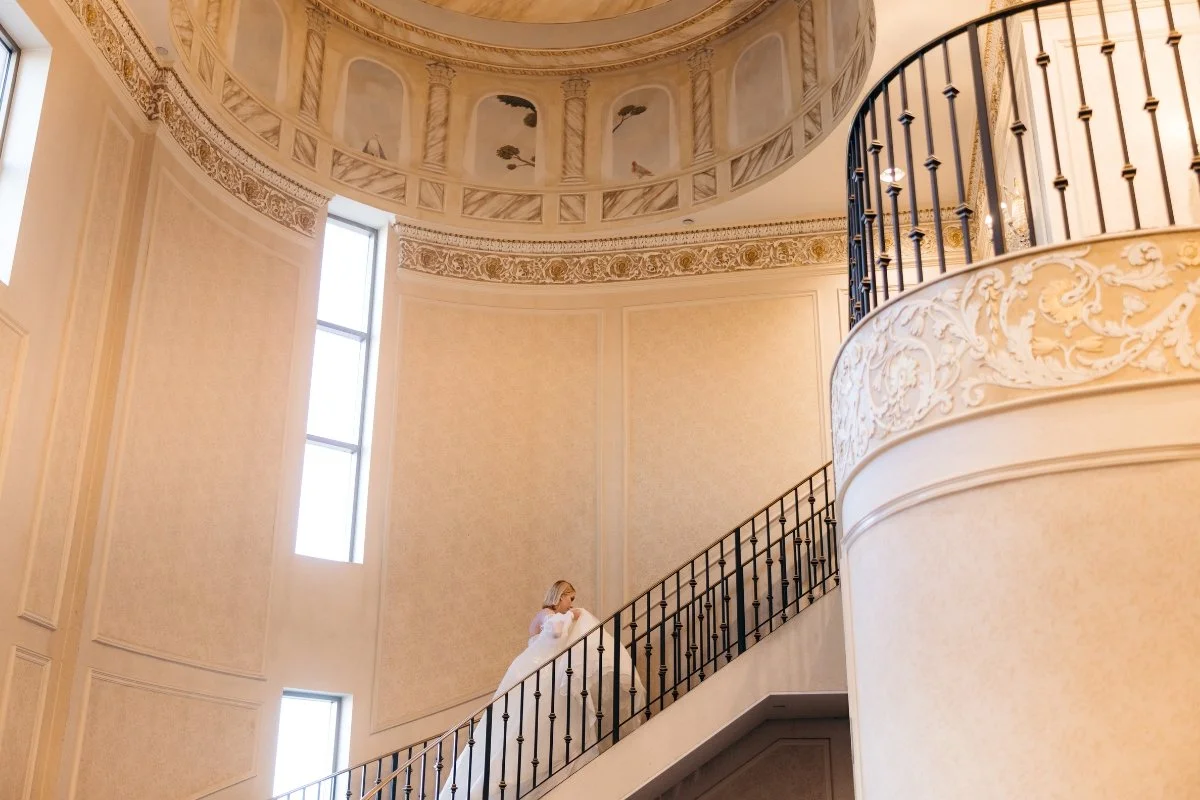
Building the Wedding Reception Itinerary
When building the timeline for the wedding reception, start with the moments that affect other parts of the event.
Dinner service is a good example. A long introduction or speech immediately before food service can create problems if meals are already ready to leave the kitchen. The same applies to entertainment, cake cutting or formal dances scheduled between courses.
A typical reception may include:
The order can change depending on the couple's traditions, menu and priorities. What matters is that the venue, catering team, photographer and entertainment team are working from the same sequence.
Example of a Same-Venue Wedding-Day Flow
A wedding using one property for both events might be arranged like this:
This is an example rather than a recommended schedule for every wedding. Ceremony length, cultural traditions, photography plans, menu service, and room-change requirements can all affect the timing.
Build Flexibility Into the Timeline
The final schedule should show more than start times. It should also identify who is responsible for keeping the event moving and what can shift if one part of the day runs late.
For example, if photography takes another ten minutes, the coordinator should know whether cocktails can continue and whether the reception entrance can move slightly without affecting dinner.
That kind of flexibility is easier to manage when everyone is working from one agreed wedding-day schedule.
Should the Ceremony and Reception Be in the Same Room?
Holding the ceremony and reception in the same room can work well when the changeover is planned around the room, guest count and amount of setup required.
A simple reset may involve removing ceremony chairs and opening an area that is already prepared for the wedding reception. A full room change can involve moving furniture, setting tables, adjusting décor, preparing the dance floor and giving entertainment or catering teams access.
Those are very different timelines.
Using One Room for Both Events
Before choosing a same-room setup, ask the venue to explain exactly what changes after the ceremony. Consider:
- whether dining tables are already positioned or still need to be set;
- how many ceremony chairs must be moved;
- whether floral pieces or décor will be reused;
- when the DJ or entertainment team needs access;
- whether the dance floor is already available;
- how long staff need to complete the change; and
- where guests will spend that time.
Reusing ceremony décor can reduce how much needs to be changed between the two parts of the wedding. A ceremony backdrop may later frame the couple's table, or floral arrangements may be moved into the reception setting. Those decisions need to be coordinated with the décor team rather than left until the wedding day.
Using Separate Spaces at the Same Venue
Separate ceremony and reception spaces reduce the amount of work that needs to happen while guests are waiting.
The reception ballroom can be prepared before the ceremony begins, while guests later move through a lobby, courtyard or cocktail area on their way to dinner.
Each room can also be arranged specifically for its purpose. The wedding ceremony venue can focus on seating, sightlines and the ceremony focal point, while the reception room can already have dining tables, service areas, entertainment and the dance floor in position.
Same Room or Separate Spaces?
Separate ceremony and reception spaces reduce the amount of work that needs to happen while guests are waiting.
Questions to Ask Before Choosing the Layout
Before approving a floor plan, confirm:
A layout can work well on paper and still create awkward movement for guests. Walking through the actual route from ceremony to cocktail area to reception space can reveal issues that are easy to miss during floor-plan review.
How Do You Manage the Transition From Ceremony to Reception?
Guests should know what happens next as soon as the ceremony ends. If they need to move to cocktails, a lobby, courtyard or another room, that direction should be clear.

Give Guests Somewhere Purposeful to Go
A cocktail area, private lobby or courtyard gives guests a defined place to gather while photographs and reception preparations are underway.
It does not need to function like a second reception. It simply needs to give guests somewhere comfortable to talk, have refreshments and spend the transition period.
For same-room weddings, this becomes particularly important because staff need access to the ceremony room before the changeover can begin.
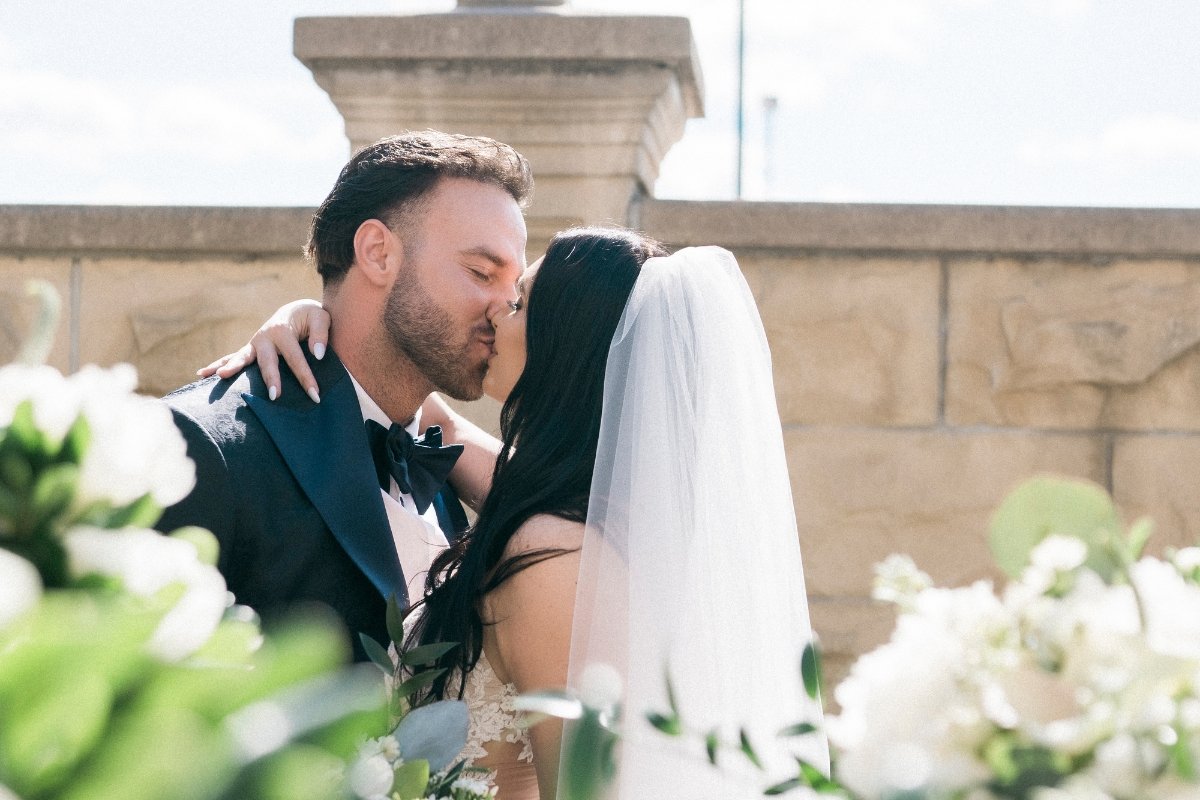
Plan Photography Around the Transition
Post-ceremony photography and the room transition often happen at the same time. Coordinate the photographer's shot list with the reception schedule so key family members are not being called for photographs when they are expected elsewhere.
Couples who want more time for portraits may choose to complete some photography before the ceremony. Either approach can work, but the timing should be settled with the photographer before the final schedule is approved.
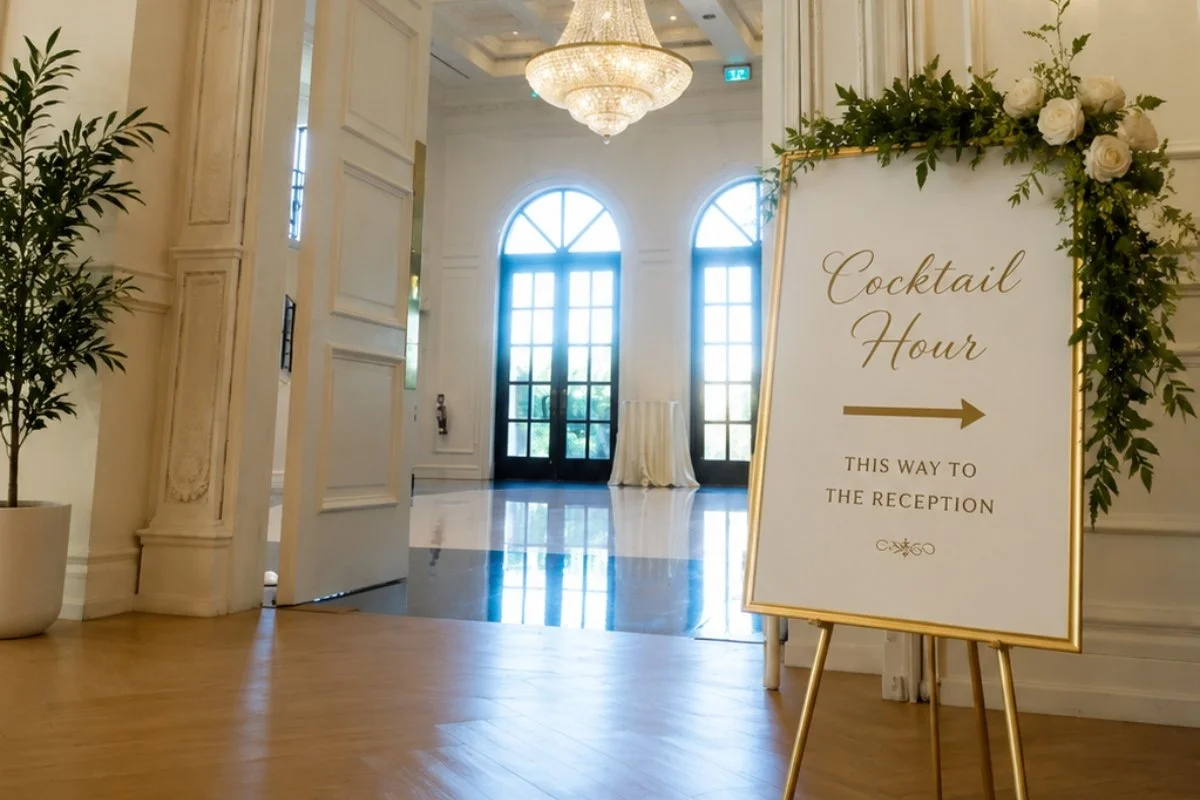
Communicate the Next Step Clearly
Staff guidance, signage or a short announcement at the end of the ceremony can make the next step obvious.
At larger weddings, people will not all move through doors, lobbies or corridors at the same pace. A little direction helps prevent bottlenecks and keeps guests from wondering whether they are supposed to wait or move into another space.
Coordinating Vendors Across the Ceremony and Reception
Décor, catering, photography, entertainment and AV teams may all be working on different schedules. Each one needs to know when they can access the space, what has to be finished before guests arrive and what can happen while another part of the wedding is underway.
Décor and Room Setup
Confirm when decorators can enter the property and what must already be completed before guests arrive.
If décor is being moved after the ceremony, identify the pieces in advance and assign responsibility. The couple should not have to make those decisions while photographs are underway.
Catering and Reception Timing
Catering works on a different operational timeline from entertainment or photography. Food preparation and service need to align with guest seating, introductions and speeches.
Couples considering menu planning in more detail can review Château Le Jardin's catering services alongside the reception schedule.
A reception itinerary should give the catering team enough certainty to prepare service while retaining some flexibility if the ceremony or photographs finish later than expected.
Photography, Entertainment and AV
Photographers, DJs, musicians and AV teams all need to know when spaces are available.
If reception entertainment is being prepared close to an active ceremony, schedule sound checks before guests arrive or at another time when they will not interrupt the vows.
Confirm Responsibilities Before the Wedding Day
Create one agreed schedule and make sure the venue, coordinator and major vendors are working from the same version.
Couples using outside suppliers should also confirm venue access, setup expectations and any site requirements directly with each party. Château Le Jardin maintains a preferred vendor network that couples can review when planning services around the venue.

Planning an Indoor Wedding Ceremony and Reception
An indoor wedding gives couples more control over weather, lighting and room conditions, but the ceremony and reception may require the space to work in two very different ways.
Plan the Room for Both Parts of the Wedding
A ceremony normally needs clear sightlines toward a focal point, an aisle and seating arranged toward the front of the room.
The reception introduces different requirements: dining tables, service paths, a couple's table, entertainment equipment and potentially a dance floor.
When comparing indoor wedding ceremony venues, ask to see how the room works in both ceremony and reception configurations. Capacity alone does not show whether guests, servers and vendors will have enough room to move comfortably once the reception setup is in place.
Lighting and Sound Change Throughout the Day
The atmosphere required during the ceremony is often different from the reception.
The ceremony may need brighter lighting around the couple and ceremony focal point so guests can see clearly and photographers can work effectively. Dinner may use softer lighting, while speeches and dancing can require another lighting setup.
Sound planning matters too. Microphones used for vows need to be clear throughout the room, while reception entertainment may use a much larger sound system.
If ceremony and reception areas are close together, confirm when DJs, musicians and AV teams can test equipment without disturbing guests.
Indoor Weddings Still Need a Backup Plan for Outdoor Elements
Even when the main ceremony and reception are indoors, couples may be planning outdoor photographs, courtyard cocktails or guest arrival through exterior areas.
Decide in advance what changes if weather makes those parts of the plan impractical.
The question is not simply whether the wedding can continue indoors. It is whether guest movement, photography and the ceremony-to-reception transition still work when an outdoor space is removed from the schedule.
What Should Couples Confirm With Their Venue Before Finalizing the Plan?
Before the wedding-day timeline is finalized, walk through the ceremony and reception as if you were a guest, vendor and member of the wedding party. Small logistical questions are easier to solve during planning than during the event.
Confirm the following with the venue:
Couples do not need to solve each detail themselves. They do need to know who is responsible for it and make sure the venue and vendors are working from the same plan.
Legal marriage requirements are separate from venue planning. Couples can review the Government of Ontario's marriage information for provincial requirements and the City of Vaughan's marriage services for information about marriage licences and local marriage services.
How Château Le Jardin Supports a Ceremony and Reception in One Location
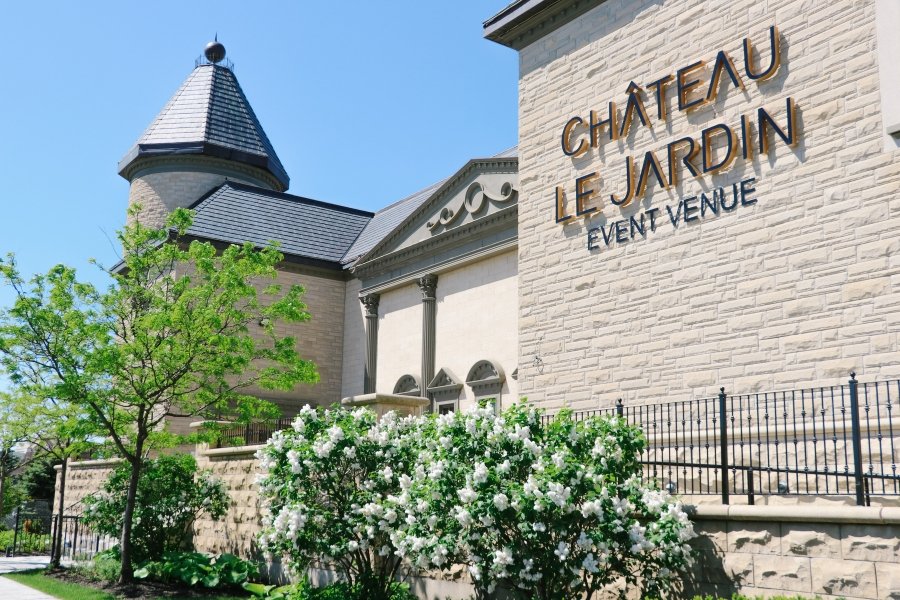
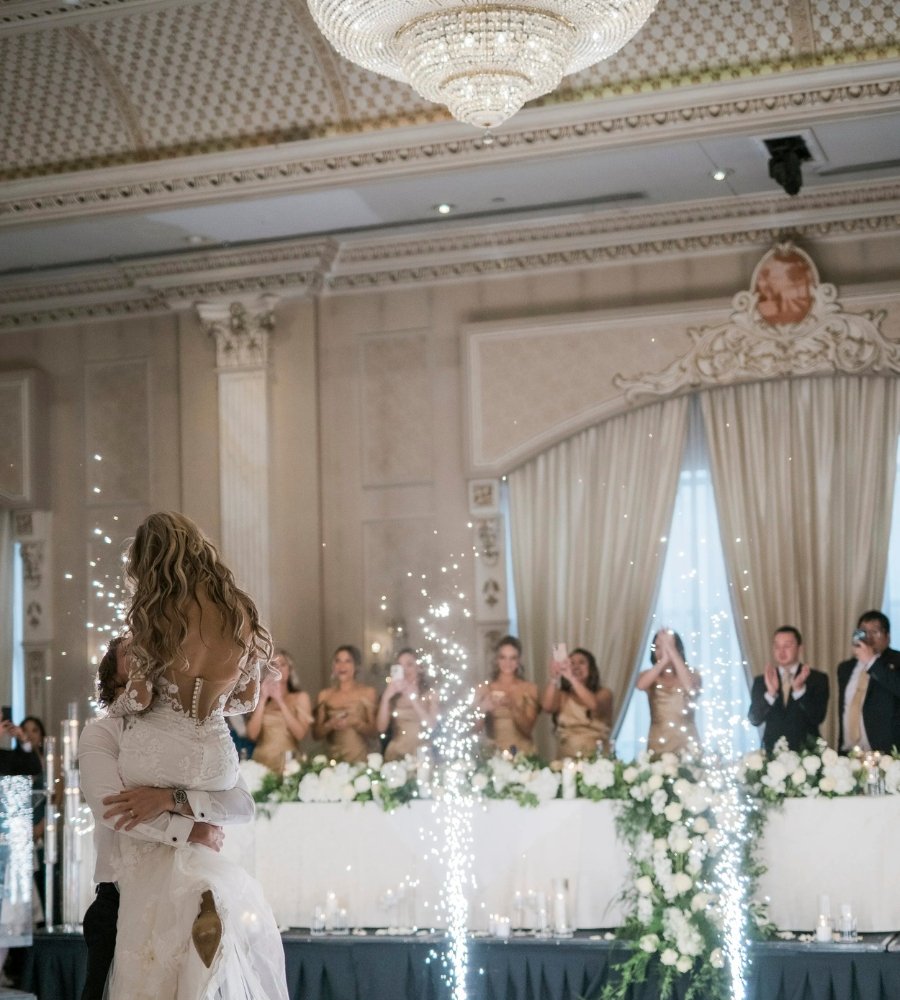
Château Le Jardin has hosted weddings and other events in Woodbridge, Vaughan, since 1985. Its wedding spaces, private hospitality areas, in-house catering and event planning support make it possible to plan the ceremony, guest transition and reception around one property and one wedding-day schedule.
-
Flexible Wedding Spaces
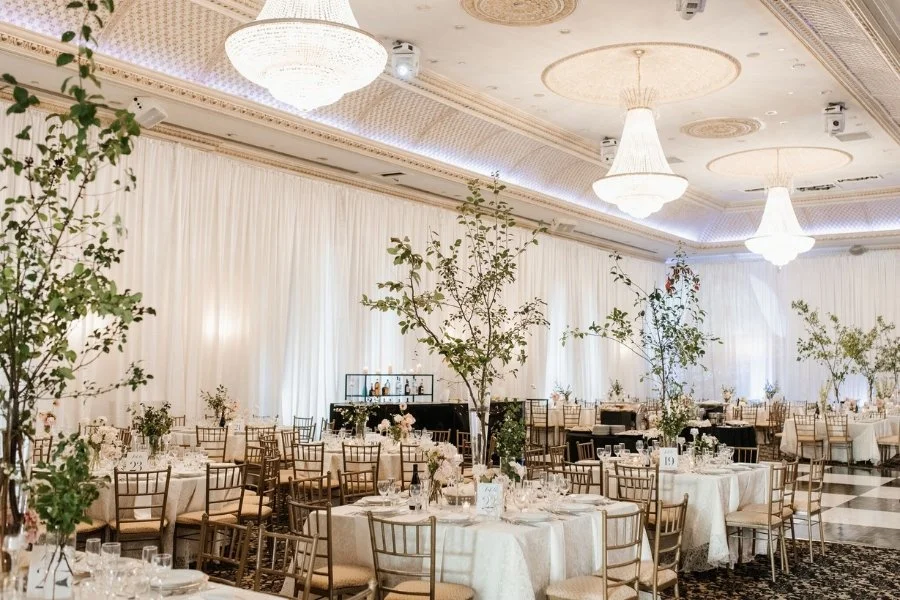
Multiple ballroom configurations give couples options for arranging different stages of the wedding. The Château Le Jardin wedding venue tour provides a closer look at the ballrooms and surrounding areas.
When comparing spaces, consider how guests will actually move between the ceremony, cocktails and reception, as well as how each room looks.
-
Catering and Event Coordination
Château Le Jardin provides in-house catering and event planning support. Room arrangements, food service and wedding-day timing can therefore be discussed together before the final schedule is shared with outside vendors.
-
Private Hospitality and Transition Areas
Private lobbies, courtyards and hospitality areas can provide separate places for guests to gather between stages of the wedding. Depending on the selected layout, this can also reduce pressure on a same-room changeover.
Frequently Asked Questions About Wedding Ceremonies and Receptions
-
The invitation should make the location and event sequence clear. If both events happen at the same property, couples can state that the reception follows the ceremony and provide any separate timing or room details that guests genuinely need. More detailed directions can be placed on the wedding website
-
Either can work. Photographs before the ceremony can reduce the number required during the ceremony-to-reception break, while post-ceremony photography may suit couples who prefer not to see each other beforehand. Coordinate the decision with the photographer and reception timeline.
-
Yes, if the venue, catering team, photographer and wedding schedule support a shorter transition. Cocktail time should serve a practical purpose rather than exist because every sample wedding timeline includes it. Check how much time is needed for photographs and guest movement first.
-
Review the actual route between spaces before the wedding. Confirm accessible entrances, elevators where required, washrooms, seating and the distance guests must travel. Guests who need more time should not be placed under pressure by a tightly scheduled room transition.
-
Ask when DJs, musicians and AV teams can test equipment and whether sound carries between rooms. Reception setup should not interfere with an active ceremony. Testing times and equipment access should be agreed upon before guests arrive.
Plan Your Ceremony and Reception at Château Le Jardin
Meet with Château Le Jardin’s event team to review ceremony and reception spaces, guest flow, ballroom layouts, catering and wedding-day timing. A consultation can help you see how both parts of your wedding can work together in one location.
Book a Wedding Venue Consultation →Key Points for Planning the Ceremony and Reception Together
- Keeping the ceremony and reception at one venue can reduce travel and simplify the wedding-day schedule.
- Plan where guests will go immediately after the ceremony and how long the transition will take.
- Keep guest waiting time as short and clear as possible.
- Give the venue and vendors enough time for room setup, catering, photography and entertainment.
- Assign clear responsibility for timing and schedule changes.
- Aim for a day that feels simple and well-organized from the guest’s point of view.