Wedding Planning Checklist: A Practical Timeline for Couples

Build Your Wedding Timeline
A wedding planning checklist helps couples organize every major decision before the wedding day, including budget, guest list, venue, vendors, catering, décor, ceremony details, reception flow, and final confirmations. The most useful wedding checklist starts with the decisions that affect every other detail: budget, guest count, date, and wedding venue. Once those foundations are set, couples can move through the planning process month by month instead of trying to manage everything at once.
For couples planning a wedding in Vaughan, Toronto, Woodbridge, or elsewhere in the GTA, timing is especially important. Popular venues, photographers, entertainment teams, florists, and beauty professionals can book far in advance, particularly for spring, summer, and early fall dates. A clear wedding planning timeline gives you structure without making the process feel overwhelming.
This wedding planning list is designed for couples who want a practical, realistic planning flow from the first major decisions to the final wedding day checklist.
Key takeaways about Wedding Planning Checklist
A wedding planning checklist should begin with budget, guest count, date range, and venue.
The wedding venue should be secured early because it affects the date, guest capacity, catering flow, layout, and reception timeline.
A month-by-month wedding planning timeline helps couples avoid rushed decisions.
The final month should focus on confirmations, not new planning.
A clear wedding day checklist helps couples, families, vendors, and venue staff stay aligned.
12+ Months Before the Wedding: Set the Foundation
The first stage of wedding planning is about clarity. Before choosing colours, flowers, menus, or music, couples need to understand the size, style, and structure of the celebration.
Start with these core decisions:
Wedding Budget:
Decide the total amount available for the wedding and identify which areas carry the highest priority, such as venue, catering, photography, entertainment, attire, or décor.
Guest List:
Create an early guest list. A rough guest count helps you choose the right venue capacity and estimate catering needs.
Date Range:
Choose a preferred season or date range. Flexibility can help if your preferred venue or vendor has limited availability.
Venue Research:
Begin researching venues. Your wedding venue affects the date, guest count, layout, catering flow, photography setting, and reception timeline.
Wedding Style:
Decide whether you want a formal banquet, romantic ballroom celebration, modern reception, cultural wedding, intimate gathering, or large family event.
For many couples, the venue decision becomes the anchor for the rest of the wedding planning timeline. Once the date and location are secured, vendor booking and guest communication become much easier.
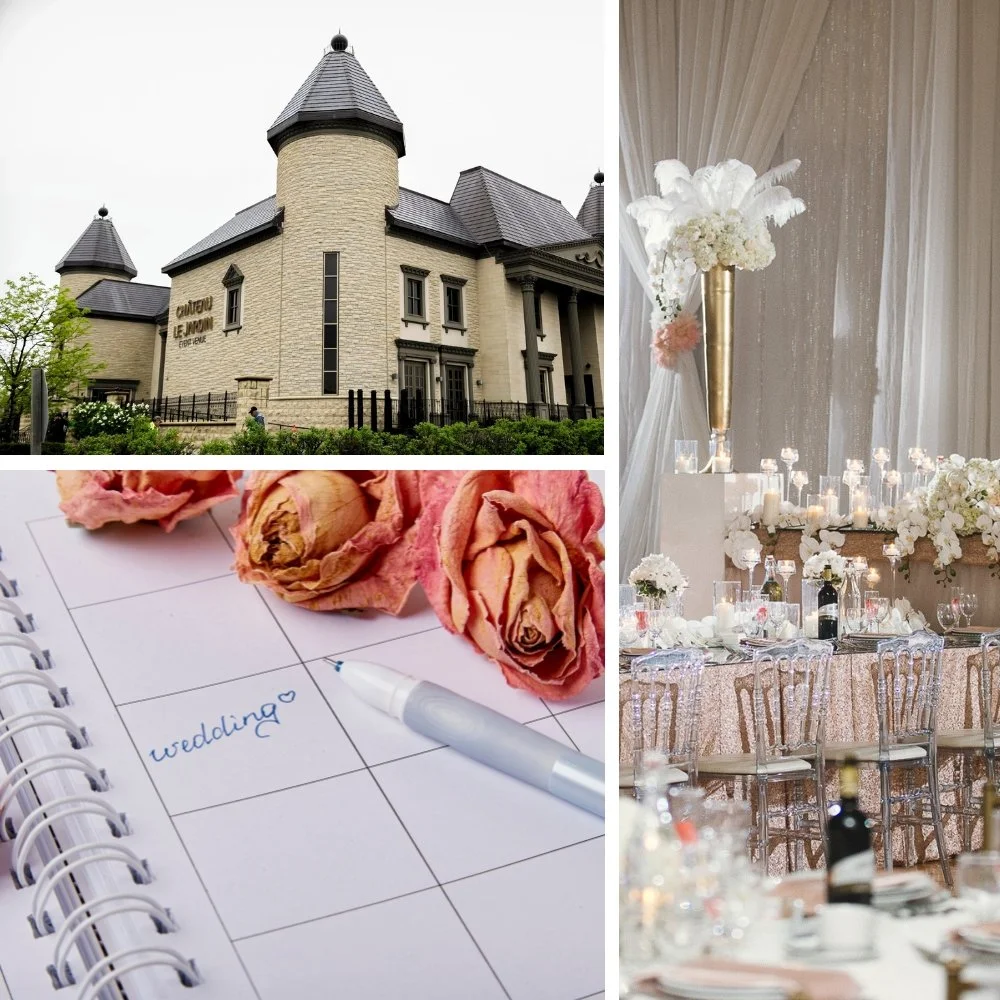
Couples considering a formal reception or ballroom celebration can review the Weddings Venue page to see how The Château Le Jardin hosts wedding ceremonies, receptions, and full wedding celebrations in Woodbridge and Vaughan.
10–12 Months Before: Book the Venue and Core Vendors
After the budget, guest count, and preferred date range are clear, the next step is securing the people and places that shape the wedding day.
High-priority bookings usually include:
- Wedding venue
- Officiant
- Photographer
- Videographer
- Planner or coordinator
- Caterer, if not included through the venue
- Entertainment, such as DJ, live band, or musicians
A wedding consultation is useful at this stage because it helps couples ask practical questions before signing agreements. For a venue consultation, prepare your estimated guest count, preferred date range, ceremony needs, reception style, catering expectations, cultural requirements, accessibility needs, and rough budget priorities.
For couples comparing a wedding venue in Vaughan or Toronto, travel time should also be considered. A Woodbridge venue may be convenient for guests coming from Vaughan, Toronto, Brampton, Mississauga, Richmond Hill, and other parts of the GTA.
8–10 Months Before: Build the Guest Experience
Once the major bookings are in place, planning shifts toward the guest journey. Guests need clear information, and couples need enough time to organize travel, communication, and formal stationery.
Key tasks during this stage include:
Reserve hotel blocks if needed, especially for out-of-town guests or late-night receptions.
Include RSVP information, venue address, parking details, accommodation suggestions, registry details, and schedule notes.
Send save-the-dates early so guests travelling to the GTA can plan around work, childcare, flights, or hotel stays.
Start shopping for attire, since wedding dresses, custom suits, alterations, and accessories often require several months.
Confirm wedding party members and give bridesmaids, groomsmen, family members, and honour attendants enough time to plan around the date.
Your wedding planning list should also include transportation. If the ceremony and reception are at different locations, guests may need shuttle details, parking guidance, or clear timing instructions.
6–8 Months Before: Plan Catering, Décor, Rentals, and Entertainment Details
The middle stage of wedding planning is where the celebration begins to take shape visually and logistically. The goal is not to finalize every detail immediately. The priority is making firm decisions about the pieces that require ordering, booking, or production.
Focus on:
- Menu direction and dietary considerations
- Cake or dessert plans
- Floral design
- Centrepieces
- Linens and table settings
- Ceremony backdrop
- Floor plan needs
- DJ or band timeline
- Photo and video priorities
- Special cultural or family traditions
If your wedding venue includes in-house catering, ask how tastings, menu customization, dietary restrictions, and service timing are handled. For couples hosting their wedding at Chateau Le Jardin, our wedding catering menu supports the full reception plan, from guest flow and service timing to the style of dinner, cocktail hour, and late-night service.
Couples booking a Banquet Hall Vaughan location should also ask about room layout, private lobby access, bridal suite use, guest arrival flow, coat check, bar service, vendor access, and reception timing.

5–6 Months Before: Prepare the Ceremony and Reception Structure
At this point, the wedding should have a clear shape. The date, venue, core vendors, guest list, and general style are already in motion. The next layer is structure.
Ceremony planning usually includes:
- Processional order
- Music selections
- Readings or cultural elements
- Vows
- Officiant requirements
- Signing table needs
- Family seating
- Weather backup plans, if any portion is outdoors
Reception planning usually includes:
- Cocktail hour timing
- Grand entrance
- First dance
- Parent dances
- Speeches
- Dinner service
- Cake cutting
- Open dance floor
- Late-night food, if included
- Final song and guest departure
A reception timeline for wedding planning does not need to be minute-by-minute yet, but the major order should be clear. Early timeline planning prevents conflicts between photography, food service, speeches, entertainment, and family traditions.
3–5 Months Before: Finalize Invitations, Florals, Menu, and Décor
The finer details become more active around the three-to-five-month mark. Couples should now move from general ideas to confirmed selections.
Important tasks include:
Order invitations.
Finalize invitation wording.
Confirm menu selections or tasting appointments.
Choose floral arrangements.
Confirm ceremony and reception décor.
Review rental needs.
Book transportation.
Confirm hair and makeup schedules.
Choose wedding bands or final jewellery.
Plan rehearsal details, if needed.
For invitations, make sure the venue name, address, timing, RSVP deadline, dress code, and guest instructions are accurate. If the venue has specific parking instructions, entrance details, or event timing rules, include them on the wedding website rather than crowding the printed invitation.
Couples planning cultural weddings, multi-course dinners, or large family receptions should give extra attention to meal timing and floor plan. Larger weddings need stronger coordination between venue staff, entertainment, photography, and catering service.
2–3 Months Before: Confirm Guest Responses and Vendor Details
The planning work now becomes more detailed. Guest responses, seating, timing, and vendor coordination become the main priorities.
Update your wedding checklist with these tasks:
Review the full venue agreement and vendor agreements again. Confirm access times, setup requirements, overtime policies, final guest count deadlines, and delivery instructions.
For couples still comparing venues at this stage, availability may be limited. A wedding consultation can still be useful, but the planning process will move faster because major vendor and guest decisions may need to happen close together.
6–8 Weeks Before: Send Invitations and Build the Day-Of Timeline
Formal invitations are often sent around six to eight weeks before the wedding. The RSVP deadline should give you enough time to provide final numbers to your venue or caterer. At this stage, couples should also start building the full wedding day timeline. A practical reception timeline for wedding celebrations may include:
The exact timing depends on your ceremony location, photography schedule, guest count, dinner style, entertainment, and venue policies. A ballroom wedding with plated dinner service will often have a different rhythm than a cocktail-style reception or cultural celebration with multiple entrances and traditions.
1 Month Before: Final Confirmations
The final month is about accuracy. Couples should avoid adding unnecessary new ideas unless something essential has been missed. The priority is confirming what has already been planned.
Your one-month wedding planning checklist should include:
Final Guest Count
Confirm final guest count.
Seating Chart
Finalize seating chart.
Floor Plan
Confirm the floor plan with the venue.
Menu Details
Review menu and dietary restrictions.
Vendor Timing
Confirm vendor arrival and setup times.
Final Payments
Prepare final payments according to vendor agreements.
Family Photo List
Create a photo list for family portraits.
Transportation Timing
Confirm transportation timing.
Wedding Party Instructions
Prepare wedding party instructions.
Shared Timeline
Share the timeline with key vendors and family members.
Couples hosting a wedding in Vaughan, Toronto, Woodbridge, or the GTA should also account for traffic. Build extra time into transportation plans, especially for Friday weddings, downtown Toronto photography, or ceremonies and receptions held in separate locations.
Final Week: Prepare the Wedding Day Checklist
The final week should focus on organization, not major decision-making. Keep your wedding day checklist short, practical, and easy to follow.
Prepare these items:
- Marriage licence and required documents
- Rings
- Vows
- Final timeline copies
- Vendor contact list
- Emergency kit
- Touch-up makeup
- Comfortable shoes
- Steamer or lint roller
- Safety pins and fashion tape
- Phone chargers
- Payment envelopes, if required
- Wedding party gifts
- Guest book
- Place cards and signage
- Personal items for the bridal suite
Assign trusted people to handle specific responsibilities. One person can keep the rings, another can manage vendor questions, and another can help gather family members for photos. Couples should not be the main point of contact for every small detail on the wedding day.
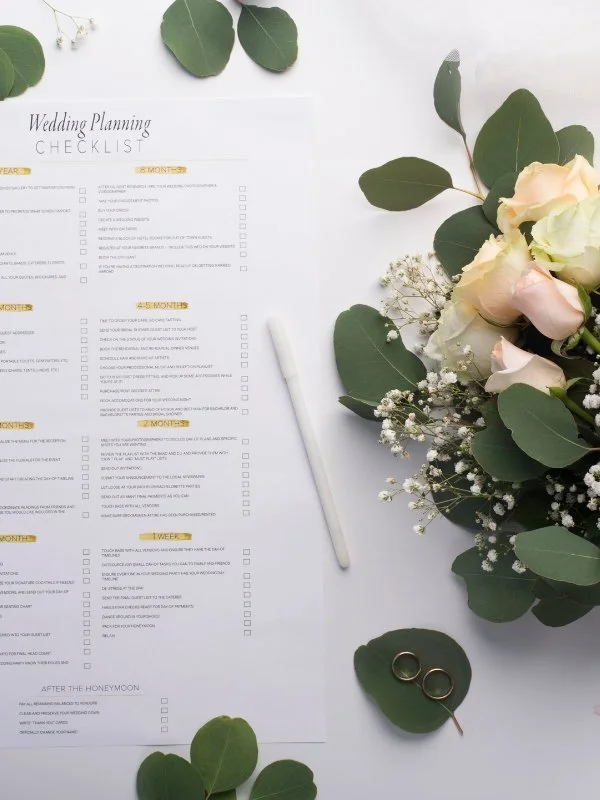
Wedding Planning Timeline at a Glance
Use this simplified wedding planning timeline as a quick reference.
A timeline keeps the planning process visible. Couples can see what needs attention now and what can wait until later.
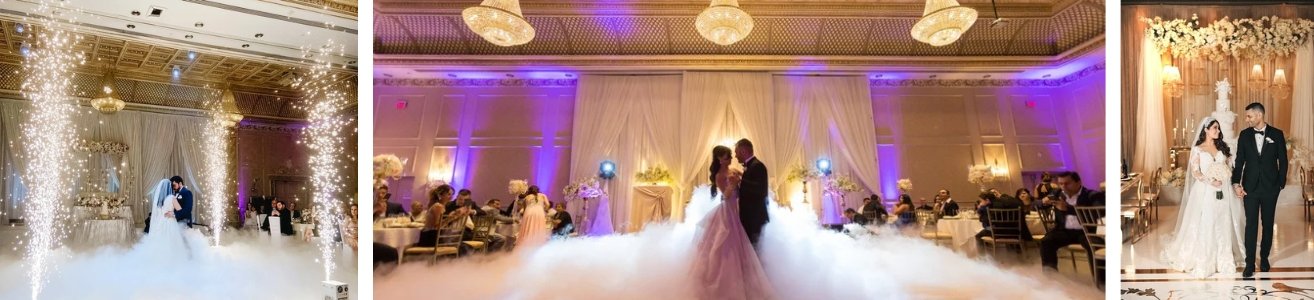
What to Ask During a Wedding Consultation
A wedding consultation helps couples understand whether a venue can properly support their guest count, preferred style, catering needs, and event flow.
Bring these questions to your venue appointment:
Is the preferred wedding date available?
How many guests can the room comfortably host?
Are ceremony and reception spaces available on-site?
Is catering handled in-house?
Can the menu accommodate dietary restrictions?
What is included in the venue setup?
How early can vendors access the space?
Is there a private bridal suite or preparation area?
How does the venue handle floor plans and timing?
Are there separate spaces for cocktail hour, reception, and photos?
Who will be the event contact before and during the wedding?
What final guest count deadline should the couple follow?
For couples reviewing a wedding venue Toronto versus wedding venue Vaughan location, ask about guest travel, parking, nearby hotels, and access from major roads. Convenience can affect the guest experience as much as the room itself.
Common Wedding Planning Mistakes to Avoid
Most wedding planning problems come from timing gaps, unclear communication, or decisions made in the wrong order.
Avoid these common issues:
A good wedding checklist reduces stress because decisions are made in the right sequence.
Final Wedding Day Checklist for Couples
Use this compact wedding day checklist for the morning of the wedding or the night before.
Documents and essentials:
- Marriage licence
- Rings
- Vows
- Identification, if required
- Vendor contact list
- Printed or digital timeline
Personal items:
- Wedding attire
- Shoes
- Jewellery
- Perfume or cologne
- Touch-up makeup
- Hair products
- Comfortable backup shoes
Emergency kit:
- Safety pins
- Fashion tape
- Stain remover pen
- Tissues
- Pain reliever
- Bandages
- Phone charger
- Small sewing kit
Reception items:
- Seating chart
- Place cards
- Guest book
- Favours
- Signage
- Card box
- Speech notes
- Family photo list
People to confirm:
- Wedding party
- Parents and close family
- Officiant
- Photographer and videographer
- Hair and makeup team
- Transportation contact
- Entertainment team
- Venue coordinator
The wedding day should not depend on memory. Written lists, assigned helpers, and a shared timeline make the day easier for everyone involved.
FAQs About Wedding Planning Checklists
-
Couples should start using a wedding planning checklist about 12 months before the wedding, especially for larger celebrations or popular GTA wedding dates. A shorter timeline can still work, but decisions about budget, guest count, venue, and core vendors need to happen quickly.
-
The first items should be budget, estimated guest count, preferred date range, and venue research. These decisions affect nearly every other part of the wedding, including catering, floor plan, vendor availability, and reception timing.
-
The wedding venue determines the date, capacity, location, layout, catering structure, and reception flow. Booking the venue early gives couples a confirmed foundation for invitations, vendors, guest travel, décor, and the day-of schedule.
-
Couples should bring an estimated guest count, preferred dates, general budget priorities, ceremony plans, reception style, catering needs, cultural or family traditions, and any accessibility requirements. Photos or inspiration notes can also help the venue team understand the desired atmosphere.
-
A wedding day checklist should include documents, rings, vows, attire, accessories, emergency kit items, vendor contacts, timeline copies, seating details, signage, and personal items. The list should be simple enough for a trusted helper to follow.
A good banquet hall consultation should make these issues clearer before a couple commits.
Tour the Banquet Hall
For couples planning a wedding in Woodbridge, Vaughan, Toronto, or the GTA, Chateau Le Jardin offers wedding spaces, in-house catering, private hospitality areas, and event support for elegant celebrations.
Book Your Wedding Consultation →