Wedding Venue Vaughan: How to Choose the Right Space
How the Right Venue Supports the Wedding Day
Choosing a Vaughan wedding venue is not only about finding a beautiful room. The space has to work for the full wedding day — from the first guest arrival to the ceremony, cocktail hour, dinner, speeches, dancing, photos, and final goodbye.
For couples comparing wedding venues in Vaughan, Woodbridge, Toronto, and the GTA, the right venue should make the day easier to plan. Guests should know where to go, dinner service should feel smooth, the room should fit the guest count comfortably, and the layout should support the style of celebration you have in mind.
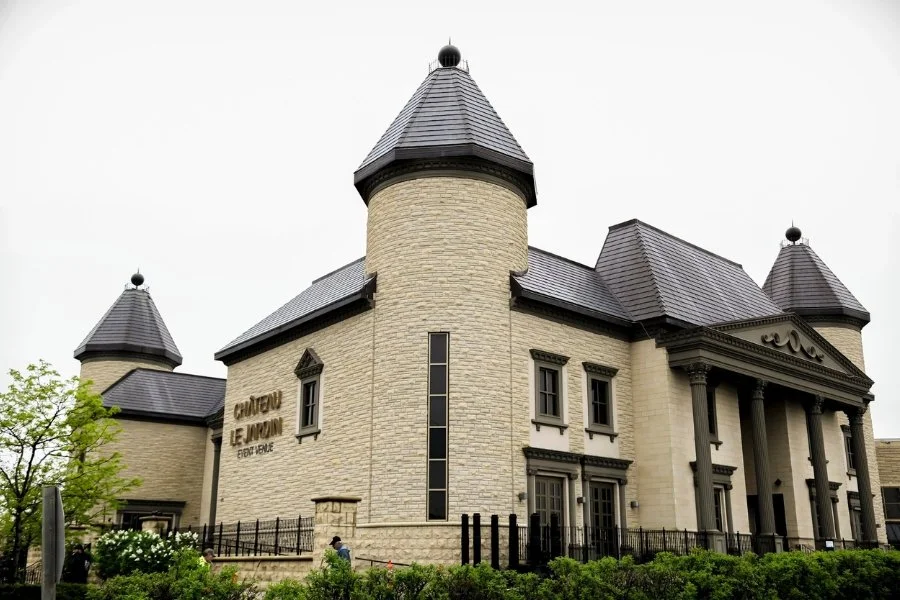
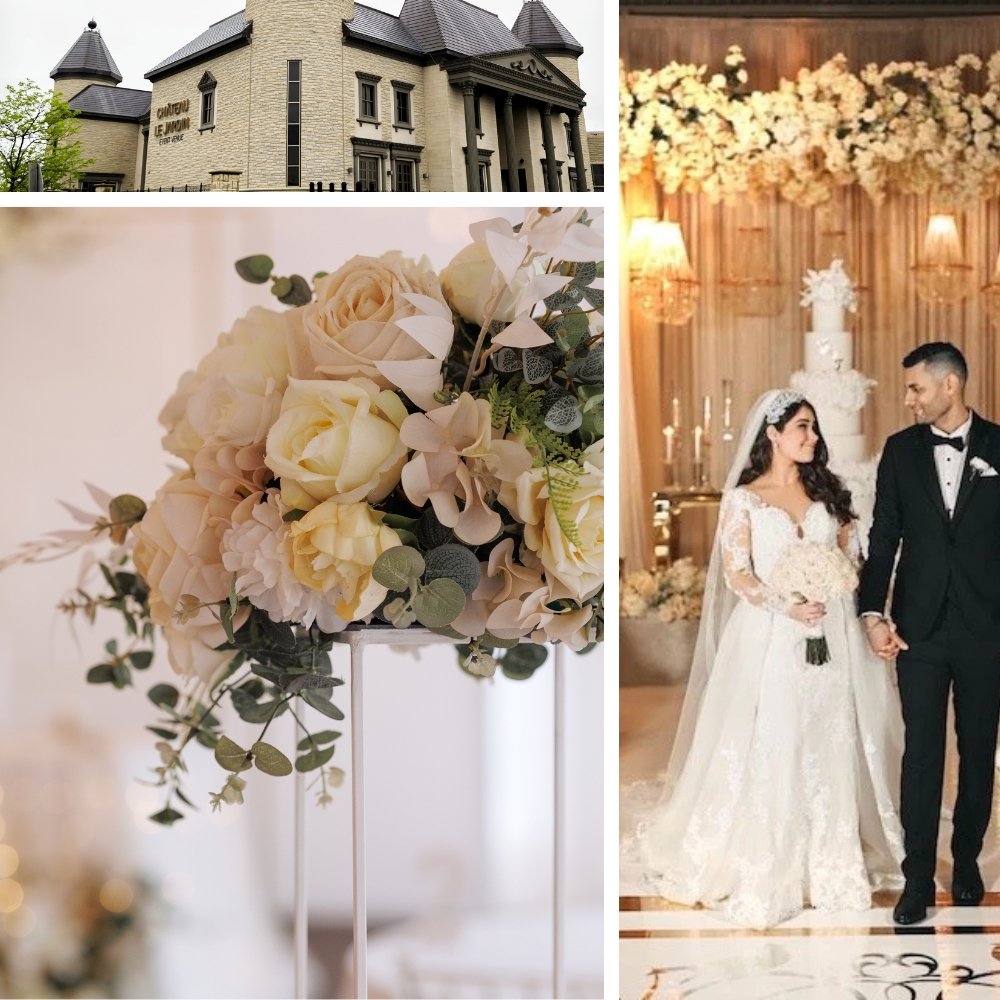
Chateau Le Jardin, located in Woodbridge, has hosted weddings and events across Vaughan and the GTA since 1985. With that kind of venue experience, one planning lesson becomes clear: the room has to look good, but it also has to function well.
What to Review Before Choosing a Vaughan Wedding Venue
1. Match the Venue Space to Your Guest Count
Choose a room size that fits your guests, tables, dance floor, and event flow.
View Details2. Check the Ceremony and Reception Setup
See how the space supports your ceremony, cocktail hour, dinner, and dancing.
View Details3. Review Catering and Menu Planning Early
Understand how catering style affects service timing, layout, and guest movement.
View Details4. Think About Wedding Photos and Design Details
Review lighting, décor, architecture, and photo areas before choosing the space.
View Details5. Compare Location, Parking, and Guest Convenience
Check travel time, parking, access, and arrival flow for your guests.
View Details6. Ask the Right Questions Before Booking a Venue Tour
Prepare practical questions about layout, catering, timing, vendors, and setup.
View Details7. Consider Seasonal Wedding Needs
Plan for indoor comfort, weather backup, winter arrivals, and photo locations.
View DetailsWhy the Right Wedding Venue Space Changes the Whole Day
Wedding venue space affects almost every part of the guest experience. It shapes how people arrive, where they gather, how the ceremony feels, how dinner is served, where photos happen, and how comfortable the reception feels once the music starts.
A ballroom may look impressive in photos, but if the layout does not support the guest count, catering style, or reception timeline, the day can feel crowded or hard to manage. The opposite is also true. A well-planned venue space can make the day feel organized, calm, and easy to follow.
Strong venue decisions usually start with function, then move into design. Once the space works for the guest list, ceremony plan, catering setup, and reception flow, décor and styling become much easier to plan.
Guest Movement and Event Flow
Guest movement is one of the first things to pay attention to during a venue tour. Instead of viewing the venue as one room, think about the full wedding day as a series of connected moments.
A typical wedding day may include:
- Guest arrival and welcome
- Ceremony seating
- Ceremony exit
- Cocktail hour
- Reception entrance
- Dinner service
- Speeches
- First dance
- Open dancing
- Late-evening food or dessert service
- Guest departure
Each stage needs enough space and a clear path. Guests should not feel unsure about where to go after the ceremony. The cocktail area should not feel overcrowded. The reception room should allow people to move between tables without squeezing past chairs, décor, or service staff.
A practical wedding venue layout gives every part of the day a purpose. It creates room for guests to gather, gives staff enough space to serve properly, and allows the couple’s preferred reception style to work without unnecessary stress.
Ceremony and Reception in One Location
Many couples prefer hosting the ceremony and reception at the same venue because it reduces travel time and simplifies the schedule. This can be especially helpful when guests are travelling from different parts of Vaughan, Woodbridge, Toronto, or the GTA.
A same-location wedding can also help the timeline stay on track. Guests do not need to drive between locations, parking is simpler, and the couple can move more smoothly from ceremony photos to cocktail hour and reception.
Before choosing one venue for both the ceremony and reception, look at how the spaces connect. The ceremony area should feel intentional, not like a temporary setup placed in a corner. The reception space should also be ready to welcome guests comfortably after the ceremony, whether there is a room transition, cocktail hour, or a separate ballroom setup.
1. Match the Venue Space to Your Guest Count
Guest count should guide the venue decision before décor, theme, menu, or entertainment. The number of guests affects the ballroom size, seating layout, table spacing, dance floor, service areas, and overall event flow.
Most couples begin with an estimated guest count, then refine it as planning moves forward. Even a rough number helps the venue team recommend a suitable room size and layout.
A wedding with 80 guests has very different space needs than a wedding with 250 guests. The goal is not simply to fit everyone into the room. The goal is to create a comfortable setting where guests can sit, move, eat, dance, and socialize without feeling crowded or disconnected.
Small, Medium, and Large Wedding Layouts
For smaller weddings, atmosphere matters. A room that is too large can make an intimate wedding feel empty unless the layout is planned carefully. In that case, table placement, lighting, ceremony seating, and décor zones can help create a warmer setting.
For medium-sized weddings, flexibility becomes more important. The room should support dinner, speeches, dancing, photography, and vendor setup without forcing guests to move around obstacles all night.
For larger weddings, structure is critical. Larger guest lists need clear planning for entrances, seating charts, bar locations, plated or buffet service routes, and access to the dance floor. The larger the event, the more the layout affects timing, service, and guest comfort.
At Chateau Le Jardin, couples can review ballroom-style spaces and event layouts through the Weddings Venue page or speak with the event team during a consultation.
Why Capacity Alone Is Not Enough
Capacity is useful, but it does not tell the full story. A room may technically hold a certain number of guests, but the layout still needs to work for the type of wedding being planned.
Review details such as:
- Guest arrival and welcome
- Table size and spacing
- Aisle room between tables
- Dance floor size
- Stage, DJ, or live entertainment placement
- Bar location
- Head table or sweetheart table placement
- Room for photography and videography teams
- Accessibility for guests and service staff
A comfortable venue layout allows guests to move easily without interrupting service. Staff should be able to serve dinner efficiently, photographers should be able to move around key moments, and guests should not feel trapped between tight table rows.
A better question than “How many people can fit?” is “How comfortably can this room support our wedding once dinner, dancing, speeches, vendors, and guest movement are all included?”
2. Check the Ceremony and Reception Setup
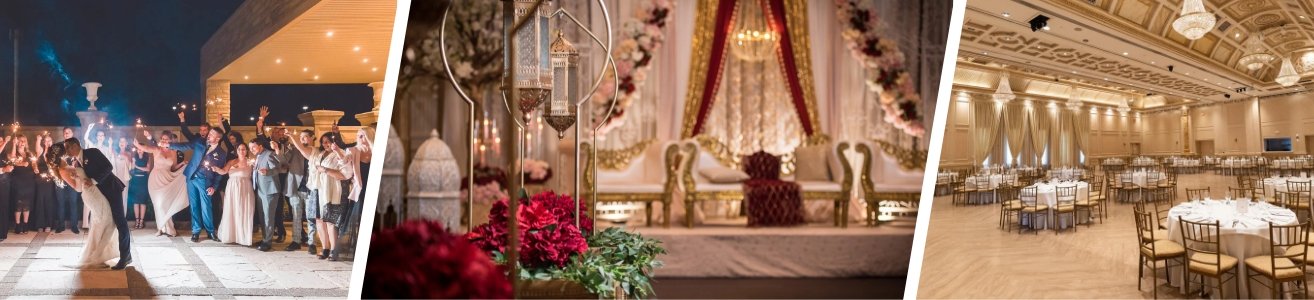
A wedding venue in Vaughan for the ceremony and reception should support both parts of the day with equal care. The ceremony sets the emotional tone, while the reception carries the celebration through dinner, speeches, dancing, and social time. Not every reception venue automatically works well for a ceremony. Ceremony space has its own requirements, including seating direction, aisle placement, sound, lighting, and photo angles.
Indoor Ceremony Space
Indoor ceremony space is valuable in every season, especially in Ontario, where the weather can change quickly. Indoor settings provide more control over guest comfort, lighting, sound, and timing. During a venue tour, look at:
The ceremony area should feel connected to the overall wedding style. A well-planned indoor ceremony space can feel elegant and calm, especially when the layout supports the couple’s entrance, vows, and exit.
It is also worth asking what happens immediately after the ceremony. If guests move to cocktail hour, the path should be clear. If the same room is adjusted for the reception, the couple should understand how long that transition takes and where guests will go during that time.
Reception Room Layout
The reception layout deserves close attention before booking. Ask how the room is usually arranged for your estimated guest count and wedding style.
Key areas include:
A strong reception room should still feel balanced once tables, chairs, décor, lighting, catering stations, entertainment, and guests are all in place.
The room should also support the reception timeline. Dinner service, speeches, first dance, parent dances, and open dancing should each have a natural place in the layout. If the dance floor feels too far from the tables, the energy can feel split. If the bar is placed in a tight corner, guests may gather in one area and interrupt service flow.
3. Review Catering and Menu Planning Early
Catering affects more than the meal. It affects timing, service flow, guest movement, and the overall rhythm of the reception.
A wedding venue in Vaughan with catering can make planning more coordinated because the catering team and venue team are already connected. When catering is handled in-house, communication around timing, room setup, service style, and menu execution is usually easier to manage.
Chateau Le Jardin offers in-house catering and custom event menus. Couples can review wedding catering details when planning food and service for their celebration.
Catering Style and Guest Experience
The catering style should match the reception vision and the room layout. Common service styles include plated dinners, buffet service, cocktail-style receptions, and customized menu formats.
Each format changes how the space works.
A plated dinner needs clear service paths between tables. Staff need enough room to move efficiently without crowding guests or interrupting speeches. A buffet setup needs dedicated space for food stations, guest lines, and smooth movement to and from tables. A cocktail-style reception may need more standing areas, lounge zones, and high-top tables.
Dietary accommodations, cultural food preferences, menu timing, and dessert service should also be discussed early. These details can affect both the menu and the room setup.
Food is part of the guest experience, but service flow matters just as much. A strong menu can lose impact if guests are stuck in long lines or if the room layout makes service feel slow. That is why catering and floor planning should be reviewed together.

How Catering Affects Venue Flow
Catering and venue flow are closely connected. Dinner timing, bar placement, kitchen access, and service routes all shape how the reception feels.
For example, a bar placed too close to the main entrance may create crowding during cocktail hour. A buffet positioned too close to guest tables may make movement feel tight. If service staff do not have clear paths, dinner may take longer than expected.
Good venue planning considers how food and beverage service will move through the room. Ask how the venue handles course timing, bar service, dessert tables, late-night food, and guest movement during dinner.
The wedding timeline should also account for catering. Speeches, dances, and formal moments often need to be placed around service timing. A venue team that understands both room layout and food service can help prevent awkward pauses or rushed transitions.
4. Think About Wedding Photos and Design Details
The right venue space should support the visual style of the wedding without requiring every detail to be heavily decorated. Architecture, lighting, ceiling height, entrances, staircases, chandeliers, and lobby areas can all affect how the wedding looks in photos and video.
The venue’s design should also match the couple’s preferred style. Some couples want a formal ballroom setting. Others want a soft, romantic atmosphere or a dramatic entrance. The space should provide a strong foundation for the design, rather than relying on décor to fix every visual challenge.
Interior Features That Affect Photos
Interior details can make a major difference in wedding photography. Pay attention to how the space photographs from different angles, not only how it looks in person.
Useful features may include:
Chandeliers
Add visual interest, warmth, and a formal focal point for reception photos.
High Ceilings
Create a more open room feeling and allow larger décor or lighting features.
Staircases
Provide a strong backdrop for entrances, portraits, and formal wedding photos.
Formal Entrance Areas
Help create a polished first impression as guests arrive at the venue.
Courtyards
Offer useful space for photos, guest moments, or seasonal wedding details.
Private Lobbies
Give guests a comfortable area for arrival, gathering, and transitions.
Architectural Details
Add character to the room and reduce the need for heavy decoration.
Balanced Lighting
Supports better photography and helps the room feel comfortable throughout the event.
Clean Wall Finishes
Create a refined backdrop for décor, portraits, and reception photography.
Spacious Photo Areas
Make it easier to capture family portraits, couple photos, and candid guest moments.
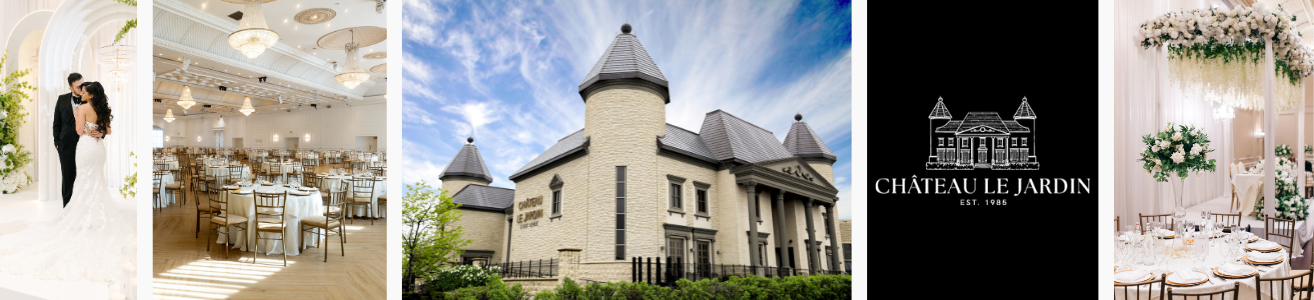
Chateau Le Jardin is known for chateau-inspired architecture, coffered ceilings, handcrafted chandeliers, private lobbies, courtyards, and elegant ballroom settings. These features can support wedding photography, guest arrival moments, and formal reception design.
Ask where family portraits, couple portraits, wedding party photos, and candid guest photos usually take place. Photo planning is easier when the venue has multiple areas that work in different lighting and weather conditions.
Décor Planning Based on the Room
Décor should work with the room, not fight against it. Before choosing centrepieces, linens, floral arrangements, backdrops, or lighting, understand the room’s existing style and proportions.
A tall ballroom may support larger centrepieces or dramatic lighting. A more intimate room may call for softer décor choices and careful spacing. A formal room with chandeliers may not need heavy ceiling décor, while a simpler room may need more visual layering.
Ask where backdrops, floral installations, entertainment equipment, and photo areas can be placed. The layout should look polished, but it still needs to leave enough room for guests and staff to move comfortably.
Design choices should support the event, not block movement. A large backdrop may look impressive, but it needs the right wall, enough distance for photos, and enough space so it does not crowd the head table or dance floor.
5. Compare Location, Parking, and Guest Convenience
Location plays a practical role in the wedding day. Couples searching for a wedding venue Vaughan may also compare venues in Woodbridge, Toronto, York Region, and across the GTA. The right location should be convenient for guests, vendors, and family members involved in setup or planning.
"Chateau Le Jardin is located at 8440 Highway 27 in Woodbridge, within the City of Vaughan, serving couples and event hosts across Vaughan, Toronto, and the Greater Toronto Area."
Why Location Matters for Guests
Guest convenience should be part of the venue decision. A wedding may look perfect on paper, but the guest experience can suffer if arrival, parking, or departure is difficult.
The goal is to reduce friction on the wedding day. Guests should know where to arrive, where to park, and how to enter the venue. Family members and vendors should also have clear access for setup, photography, décor, and entertainment.
Location can affect timing as well. If many guests are travelling from Toronto, Mississauga, Richmond Hill, Brampton, or other parts of the GTA, think about traffic patterns and arrival windows. A realistic arrival plan helps prevent delays before the ceremony or reception begins.
Review details such as:
- Travel time from key guest areas
- Access from major roads
- Parking availability
- Drop-off areas
- Accessibility
- Nearby hotel availability if guests are travelling
- Ease of vendor arrival and setup
Vaughan and Woodbridge Wedding Venue Searches
Many couples search both Vaughan and Woodbridge because the areas are closely connected in local wedding planning. A couple may search for a Vaughan wedding venue but consider a Woodbridge location if it serves the same guest region and event needs.
For GTA couples, location is often about more than the city name. It is about travel routes, guest familiarity, parking, and whether the venue feels accessible for both local and out-of-town guests.
A venue in Woodbridge can be highly relevant for couples comparing wedding venues in Vaughan because it serves the same local planning market and guest base.
Focus on whether the location works for your actual guest list. If the venue is easy to reach, has clear parking, and supports smooth arrival and departure, the full day will feel more organized.

6. Ask the Right Questions Before Booking a Venue Tour
A wedding venue tour should be more than a visual walkthrough. Use the tour to understand how the space works for the guest count, ceremony plans, catering style, reception flow, and planning timeline.
Before the tour, prepare a short list of practical questions. This makes it easier to compare venues clearly and avoid choosing based only on first impressions.
Space and Layout Questions
Catering and Timeline Questions
Vendor and Planning Questions
These questions help confirm whether the venue can support the wedding as planned. The answers should be practical and specific, especially when comparing multiple venues.
Chateau Le Jardin’s event specialists support clients from consultation through event completion. A consultation can help couples review room layout, catering, coordination, and event-day planning details.
7. Consider Seasonal Wedding Needs
Season affects how venue space should be evaluated. A summer wedding may involve different arrival patterns, photo plans, and outdoor moments than a winter wedding. In Ontario, weather backup planning is especially practical.
A strong indoor wedding venue Vaughan couples can rely on should provide comfort, style, and functional flow regardless of the season.
Indoor Wedding Planning
Indoor wedding planning is especially useful for fall and winter weddings. Consider coat check, indoor photo areas, heating, lighting, guest arrival during snow or rain, and comfort for elderly guests.
Indoor spaces also allow more control over décor and timing. Lighting can be planned more precisely, ceremony seating is protected from weather, and guests can move from one part of the event to another without leaving the venue.
Le Jardin’s Winter Wedding Promotions page can be a helpful resource for couples considering a seasonal wedding in the Vaughan and Woodbridge area.
Winter weddings also need thoughtful arrival planning. Guests may arrive with coats, boots, umbrellas, or extra layers. The entrance, coat check, lobby, and reception flow should be clear so guests do not feel crowded before the event begins.
Backup Planning for Weather
Even warmer-season weddings need weather backup plans. Rain, wind, heat, and sudden temperature changes can affect photos, guest comfort, and ceremony timing.
Ask:
Backup planning is responsible event planning. The more prepared the venue is, the more relaxed the couple can feel on the wedding day.
A venue with strong indoor spaces can also reduce planning stress. Instead of depending fully on outdoor weather, couples can plan ceremony, photography, cocktail hour, and reception moments with more confidence.
How Le Jardin Supports a Vaughan Wedding Venue Search
For couples comparing wedding venues in Vaughan, Woodbridge, Toronto, and the GTA, Chateau Le Jardin offers a local venue setting designed for wedding ceremonies and receptions. Its ballroom-style spaces, in-house catering, private hospitality areas, and event coordination support help couples focus on how the full wedding day will work, not only how the room looks.
Since 1985, Chateau Le Jardin has hosted weddings, corporate events, and social celebrations in Woodbridge. That experience can be helpful during the planning process because venue decisions often involve more than choosing a beautiful space. Guest flow, room layout, catering timing, photo areas, and reception transitions all need to work together.
The venue’s chateau-inspired architecture, private lobbies, courtyards, handcrafted chandeliers, and flexible ballroom layouts can support both the visual style and practical needs of a wedding day. Couples can review the wedding venue in Vaughan page to understand the venue setting, review wedding catering details, or view the venue space virtually before arranging a consultation.
The strongest venue decision comes from understanding the space first. Once the guest count, ceremony needs, reception style, catering preferences, and seasonal considerations are clear, a venue consultation becomes more focused and useful.

Common Questions About Choosing a Wedding Venue in Vaughan
-
Start comparing wedding venues once you have an estimated guest count, preferred season, and general wedding style. This gives you enough time to review venue space, ceremony needs, catering style, availability, and consultation details before making a decision.
-
Bring an estimated guest count, preferred wedding season, ceremony requirements, reception style, catering preferences, inspiration photos, and any key family or cultural needs. A clear starting point helps the venue team recommend the right space and layout.
-
Having the ceremony and reception at the same venue can reduce travel time, simplify guest coordination, and make the wedding timeline easier to manage. It can be especially helpful for guests travelling from different parts of Vaughan, Woodbridge, Toronto, or the GTA.
-
A comfortable wedding venue space has the right room size, balanced table spacing, clear guest movement, accessible entrances, practical service flow, good sound, and suitable lighting. Comfort depends on how the space works during the event, not only how it looks when empty.
-
Ask about guest capacity, room layout, ceremony space, catering style, parking, accessibility, vendor guidelines, setup time, and reception flow. These questions help confirm whether the venue can support the full wedding day.
Book a Wedding Venue Consultation
For couples planning a wedding in Woodbridge, Vaughan, Toronto, or the GTA, Chateau Le Jardin offers elegant wedding spaces, in-house catering, private hospitality areas, and event support to help the day flow smoothly from ceremony to reception.
Book Your Wedding Consultation →Final Takeaways for Choosing the Right Wedding Venue Space
Choosing the right wedding venue space starts with practical planning. The venue should look elegant, but it also needs to support the way the wedding day will actually unfold.
Key points to remember:
- Start with guest count and event flow.
- Confirm whether the ceremony and reception can work smoothly in the same venue.
- Review the reception layout before focusing on décor.
- Plan catering and room setup together.
- Consider photography, lighting, and design details.
- Check location, parking, accessibility, and guest convenience.
- Ask practical questions before booking or confirming a venue tour.
- Choose a Vaughan wedding venue that supports the full wedding day, not only the visual style.
A wedding venue should help couples feel organized, confident, and supported from the first planning conversation to the final guest departure.